Walk into any hardware store and you’ll find a wall of water filters, every one of them promising cleaner, better-tasting water. Work out which one actually suits your place and things get murky pretty quickly. Knowing how to choose a water filter really comes down to three questions: what’s in your water, where you want it filtered, and how much maintenance you’re prepared to do.
We’ve been plumbing homes across the Gold Coast and Logan since 1978, and we’ve pulled out plenty of filters that were never the right fit. Some were undersized and killed the pressure across the whole house. Some were installed on tank water when they were only rated for treated town supply. A few weren’t certified for an Australian drinking water supply at all.
This guide runs through the main filter types, how they stack up, and the questions worth asking before you spend a cent.
Start With What’s Actually in Your Water
Most people shop for a filter before working out what they’re filtering. That’s backwards, and it’s why so many households end up with the wrong system.
If you’re on town water anywhere across the Gold Coast or Logan, your supply is treated and tested against the Australian Drinking Water Guidelines, the national benchmark set by the NHMRC. Seqwater publishes a water quality report for the South East Queensland supply, so you can look up what’s actually coming through your meter rather than guessing.
For most homes on town supply, that means you’re not filtering for safety. You’re filtering for taste, chlorine smell, sediment picked up somewhere between the treatment plant and your tap, or a specific contaminant you want reduced. That’s a very different job to filtering untreated water.
Tank water is another story. Rainwater collected off a roof is untreated, so a system built for town water won’t cut it. Tank supplies generally need sediment pre-filtration and some form of disinfection, usually UV, before the water is fit to drink. If you’re on a hinterland block running off tanks, that’s the starting point.
The Main Types of Water Filter Compared
Here’s how the common options compare. Prices are indicative only and will shift depending on the brand, the number of stages, and how much plumbing work the install needs.
| Filter type | What it handles | Where it goes | Indicative cost |
|---|---|---|---|
| Jug or benchtop | Chlorine taste and odour, some sediment | Fridge or benchtop, no plumbing | $40 to $200 |
| Tap-mounted | Chlorine taste, sediment, some heavy metals | Screws onto an existing tap | $50 to $150 |
| Under-sink carbon | Chlorine, taste, odour, sediment, lead depending on the cartridge | Inside the kitchen cabinet, plumbed in | $250 to $700 installed |
| Under-sink reverse osmosis | The widest range, including fluoride, dissolved solids and PFAS | Inside the kitchen cabinet, plumbed in | $500 to $1,500 installed |
| Whole-house (point of entry) | Sediment, chlorine and scale across every tap and shower | At the mains, usually outside | $900 to $3,000 installed |
| UV steriliser | Bacteria and other microorganisms | Paired with pre-filters on tank supply | $400 to $1,200 installed |
Whole-House vs Under-Sink: The Real Decision
Strip away the marketing and most households are choosing between two things. A whole-house system sits at the point your water enters the property and treats everything. An under-sink system sits at the point of use and treats only what comes out of that one tap.
When a Whole-House System Makes Sense
Go whole-house if the problem shows up at more than one tap. Discoloured water in the laundry, grit in the shower head, or a chlorine smell that bothers you when you’re washing your hair are all point-of-entry problems, and no amount of filtering at the kitchen sink will fix them.
It also makes sense if you want to protect your appliances. Sediment and scale are hard on washing machines, dishwashers and hot water systems, and a whole-house filter takes a fair bit of that load off. Larger households and anyone on tank or bore supply generally land here too.
When an Under-Sink Filter Is Enough
If your only real concern is what you’re drinking and cooking with, an under-sink unit does the job for a fraction of the cost. It’s the sensible pick for units and townhouses, for smaller households, and for anyone who wants reverse osmosis quality drinking water without paying to run the entire house through an RO system.
Plenty of homes end up running both. A whole-house filter handles sediment and chlorine for the showers and the appliances, and a smaller under-sink unit polishes the drinking water at the kitchen tap. That combination usually costs less than trying to make one oversized system do everything.
How to Choose a Water Filter: Five Things to Check Before You Buy
Once you’ve settled on the type, these five checks separate a system that lasts from one you’ll be replacing in two years.
- Check the WaterMark, then look past it. WaterMark certification is mandatory in Australia for plumbing products, and it’s administered by the Australian Building Codes Board. What it confirms is that the product is safe and fit to connect to a drinking water supply. It does not, on its own, confirm that the filter removes anything. For that you want the Performance Data Sheet, which spells out what the cartridge has actually been tested to reduce.
- Match the technology to the claim you care about. Activated carbon is excellent on chlorine, taste and odour. It will not remove fluoride or dissolved solids. Reverse osmosis will, but it works more slowly and sends some water down the drain. Vague claims about purifying your water are worth nothing. Specific, tested reduction claims are worth everything.
- Size it to the household, not the cabinet. Flow rate is where whole-house systems most often go wrong. Fit one that’s too small and you’ll notice it every time two showers run at once. A four-bathroom home needs considerably more capacity than a two-bedroom unit.
- Work out the running cost, not just the sticker price. Cartridges are the real expense over a system’s life. Ask how often they need changing, what a replacement set costs, and whether the cartridges are a standard size or proprietary to that brand. Proprietary cartridges lock you into one supplier at whatever price they set. Our guide to maintaining a home water filtration system covers what that upkeep actually looks like.
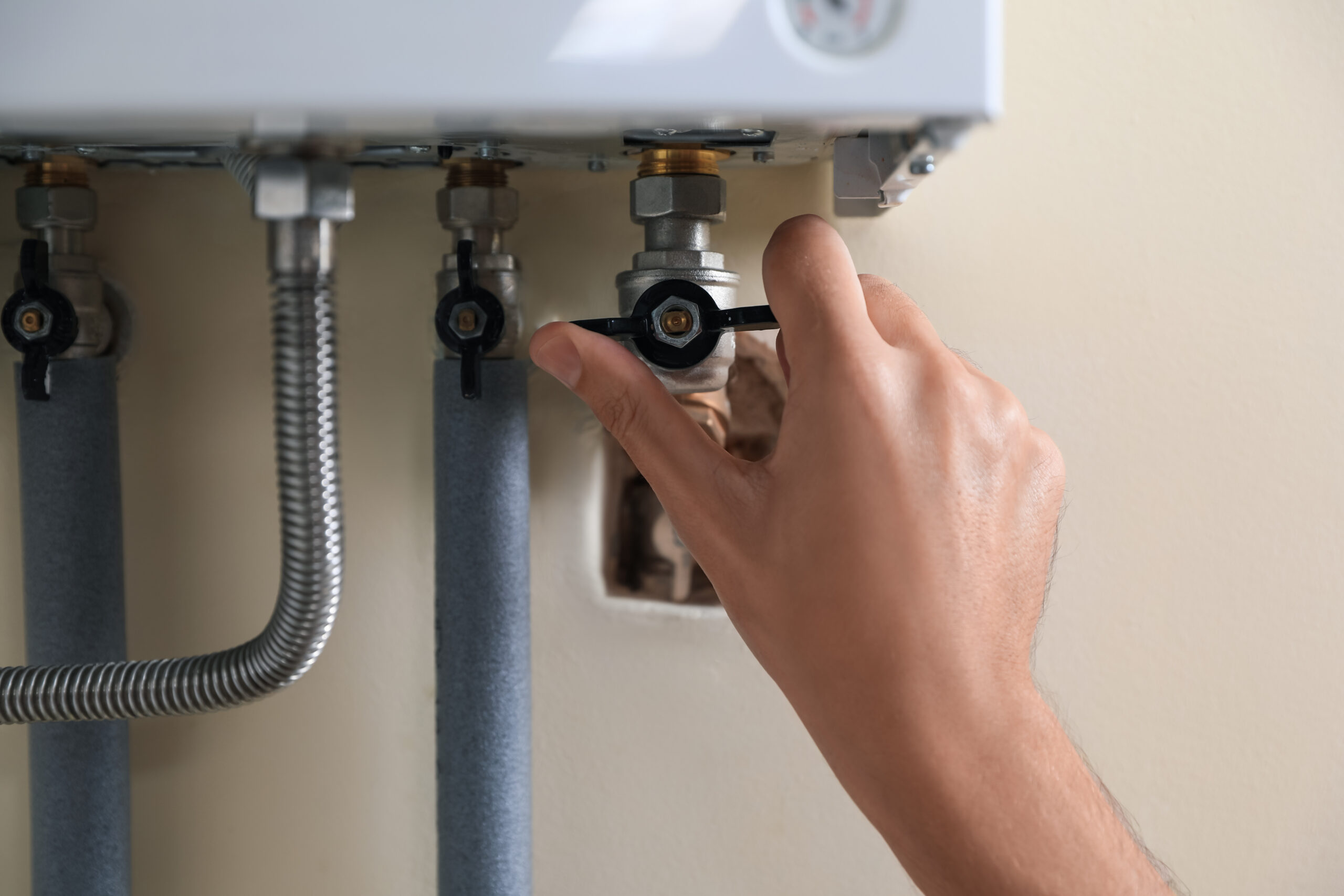
- Think about where it physically lives. A system you can’t reach is a system that won’t get serviced. Whatever you choose needs room around it for cartridge changes and an isolation valve so the water can be shut off without turning the whole house off.
Installation and Compliance in Queensland
A jug or benchtop filter is a retail purchase and you can set it up yourself. Anything that gets plumbed into your water supply is a different matter.
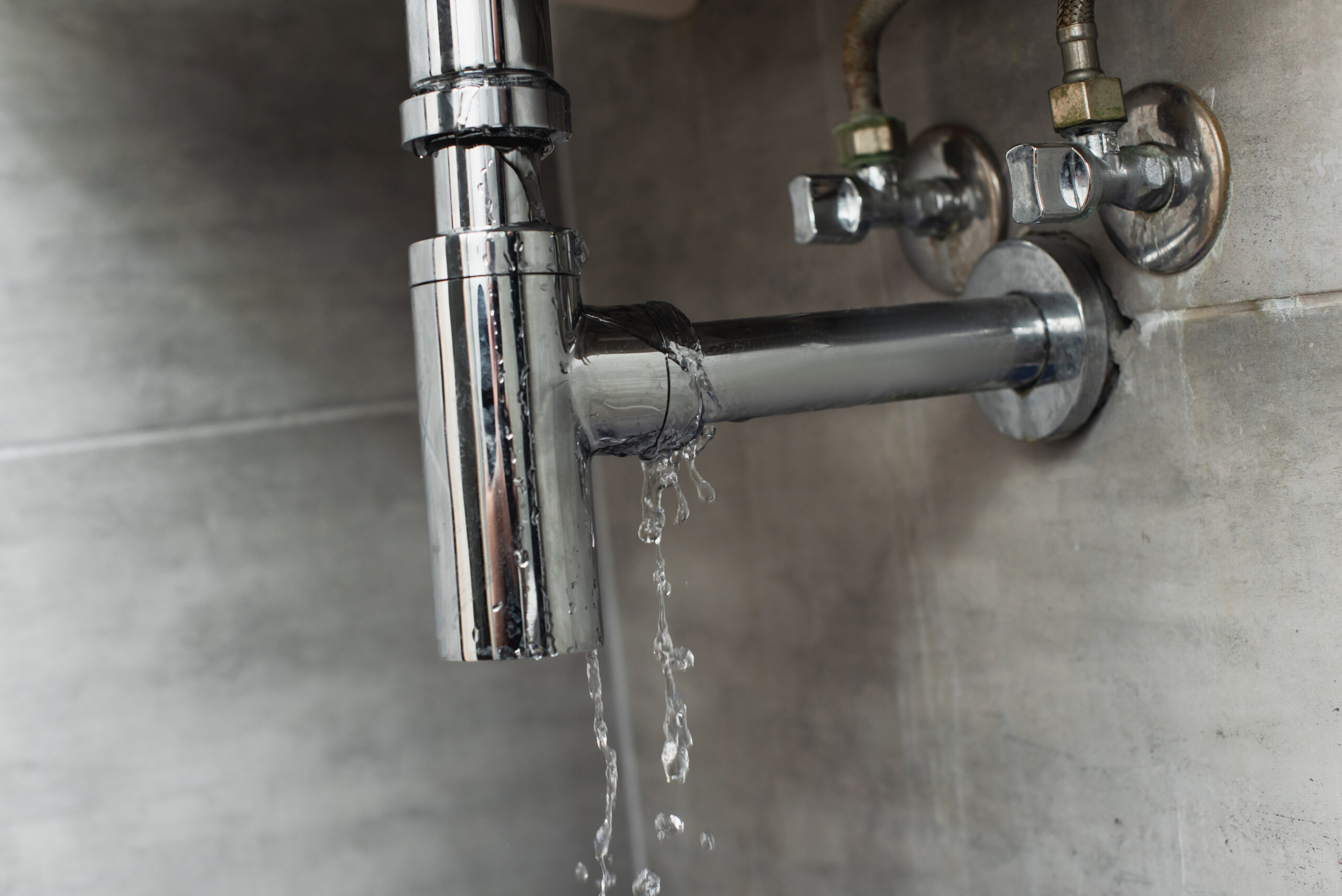
In Queensland, plumbing and drainage work falls into three regulated categories, and the QBCC requires all of them to be carried out by a licensed plumber or drainer. Cutting into your potable supply to fit a filter sits squarely inside that. It isn’t a formality either. A poorly made connection under a kitchen cabinet can weep for months before anyone notices, and by then you’re dealing with swollen cabinetry and mould rather than a plumbing job.
If you’d like a hand narrowing down the options, our water filtration systems page runs through the multi-stage setups we install across the Gold Coast and Logan.
Frequently Asked Questions
What type of water filter is best for a home on town water?
For most homes on treated town supply, an under-sink carbon filter is the sensible starting point. It deals with chlorine taste and odour and any sediment picked up in the pipes, and it costs a fraction of a whole-house system. Step up to reverse osmosis only if you specifically want fluoride, dissolved solids or PFAS reduced.
Do water filters remove fluoride?
Standard carbon filters do not. Fluoride is added to the South East Queensland supply as a public health measure, and removing it requires reverse osmosis or activated alumina. If a carbon filter is advertised as removing fluoride, ask to see the Performance Data Sheet before you buy.
Do I need a plumber to install a water filter in Queensland?
For anything plumbed into your water supply, yes. Regulated plumbing work in Queensland must be carried out by a QBCC licensed plumber or drainer. Benchtop jugs and filters that simply sit on the bench don’t connect to the supply, so they’re fine to set up yourself.
How often do water filter cartridges need replacing?
Most cartridges are rated for six to twelve months, though the honest answer is that it depends on your water and how much of it you use. Tank water and sediment-heavy supplies chew through cartridges faster. A drop in flow, or a return of the taste you installed the filter to fix, usually means it’s overdue.
Is a whole-house filter worth it if I’m on tank water?
Generally yes, but the filter alone isn’t enough. Tank water is untreated, so a proper setup pairs sediment pre-filtration with disinfection, usually UV, to deal with bacteria. A carbon filter on its own will improve the taste without making untreated water safe to drink.
The Verdict
There’s no single best water filter, and anyone telling you otherwise is selling something. Start with your water source, be specific about the problem you’re actually trying to solve, then pick the smallest system that solves it properly. For most Gold Coast and Logan homes on town water, that’s an under-sink unit. For tank supplies, homes with sediment problems, or anyone wanting filtered water at every tap, it’s a whole-house system.
Whichever way you go, check the certification, read the Performance Data Sheet, and know what the cartridges will cost you before you commit.
We’ve been sorting out water quality for families across the Gold Coast and Logan since 1978, and we’re happy to take a look at your setup before you buy anything. Get in touch and we’ll give you a straight answer about what your place actually needs.