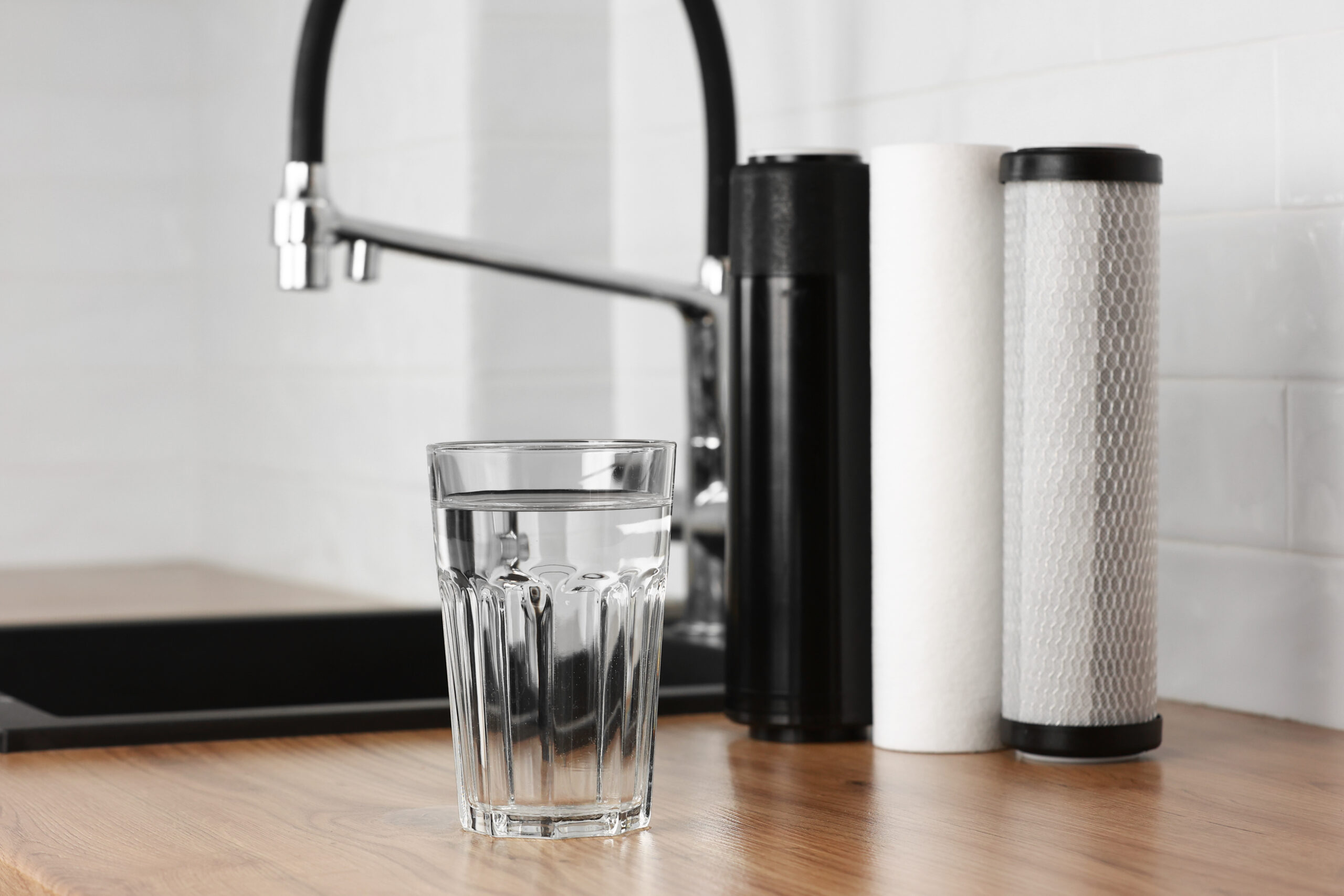
Clean, great-tasting water from every tap is exactly what a good filter is meant to deliver. The catch that a lot of Gold Coast and Logan homeowners miss is this: a filter is not a set-and-forget bit of kit. To keep yours doing its job, you need to maintain a water filtration system on a regular schedule, not just bolt it on and walk away. Leave it alone and the filters clog, the water slows to a trickle, and the gear that is supposed to clean your water can quietly start working against you.
The good news is that most of the upkeep is straightforward, and plenty of it you can do yourself. This guide walks you through how to maintain your water filtration system step by step, and when it pays to call in a licensed plumber.
Why Maintaining Your Water Filtration System Matters
A filter works by trapping the muck you do not want in your water: sediment, rust, chlorine, and finer contaminants. Over time that material builds up and the filter fills. Once it is full, water flow drops off and the filter can stop pulling new contaminants out altogether. In the worst cases an old, neglected cartridge becomes a breeding ground for bacteria, especially in the stages that sit after the chlorine has been stripped out.
There is a local angle worth flagging too. Plenty of properties around the Gold Coast hinterland and Logan run on tank or bore water rather than town supply, and that water carries far more sediment. Queensland Health notes that any filter on a private supply should be checked, kept free of build-up, and replaced in line with the manufacturer’s advice, per its guidance on safe water on rural properties. Staying on top of upkeep protects your health, your plumbing, and your investment in the system.
Know Your System Before You Start
Maintenance differs a little depending on what you have installed, so know your setup first:
- Whole-house systems: filter everything entering the home, usually through several stages such as a sediment pre-filter and a carbon filter. Most of the upkeep is cartridge changes.
- Under-sink filters: treat the water at one tap, typically the kitchen. Smaller cartridges that need swapping a bit more often.
- Reverse osmosis (RO): multiple pre and post filters plus a membrane, each with its own lifespan.
- UV disinfection: common on tank water, using a light to kill bacteria. The lamp needs replacing on schedule whether it looks like it is working or not.
If you are not sure which you have, dig out the owner’s manual. It lists the filter types, replacement parts, and recommended service intervals for your exact model.
Step 1: Replace the Filter Cartridges on Schedule
This is the most important maintenance task. A filter only holds so much before it gives up, so swapping cartridges on time keeps your water safe. Intervals vary by water quality and household size, but these are sensible starting points for most Aussie homes:
| Filter type | Typical replacement interval |
|---|---|
| Sediment pre-filter | Every 3 to 6 months |
| Carbon filter | Every 6 to 12 months |
| RO membrane | Every 2 to 3 years |
| UV lamp | Once a year |
On tank or bore water, lean towards the shorter end of those ranges, since the extra sediment chews through cartridges faster. Set a phone reminder so a change never slips past you, and if your water tastes or smells off before the due date, swap it early.
Step 2: Flush the System After Every Filter Change
A brand-new cartridge carries loose carbon fines and manufacturing dust you do not want in your glass. After fitting a fresh filter, run a cold tap for at least five minutes to purge the system before you drink or cook with the water. It will often run cloudy or grey at first, then clear, which is exactly what flushing is for. For RO systems, follow the manufacturer’s start-up flush, since the storage tank usually needs to fill and be discarded once or twice.
Step 3: Clean and Sanitise the Housings
Each time you change a cartridge, clean the empty housing rather than dropping a new filter into a grimy canister. Wash it in warm water with a mild solution, and for tank-water systems it is worth sanitising with a diluted disinfectant to knock back algae, mould, or bacteria. Our humid South East Queensland summers make those housings a happy home for that sort of growth, so do not skip it.
While the housing is open, check the rubber O-rings. If one looks cracked, flattened, or perished, replace it, and a smear of food-safe silicone grease helps the seal seat properly and prevents future leaks.
Step 4: Check Water Pressure and Look for Leaks
Water pressure is one of the clearest signals your system sends. A noticeable drop in flow across the house usually means a cartridge is clogging and is overdue for a change. If your system has a pressure gauge, glance at it monthly and learn what normal looks like for your home.
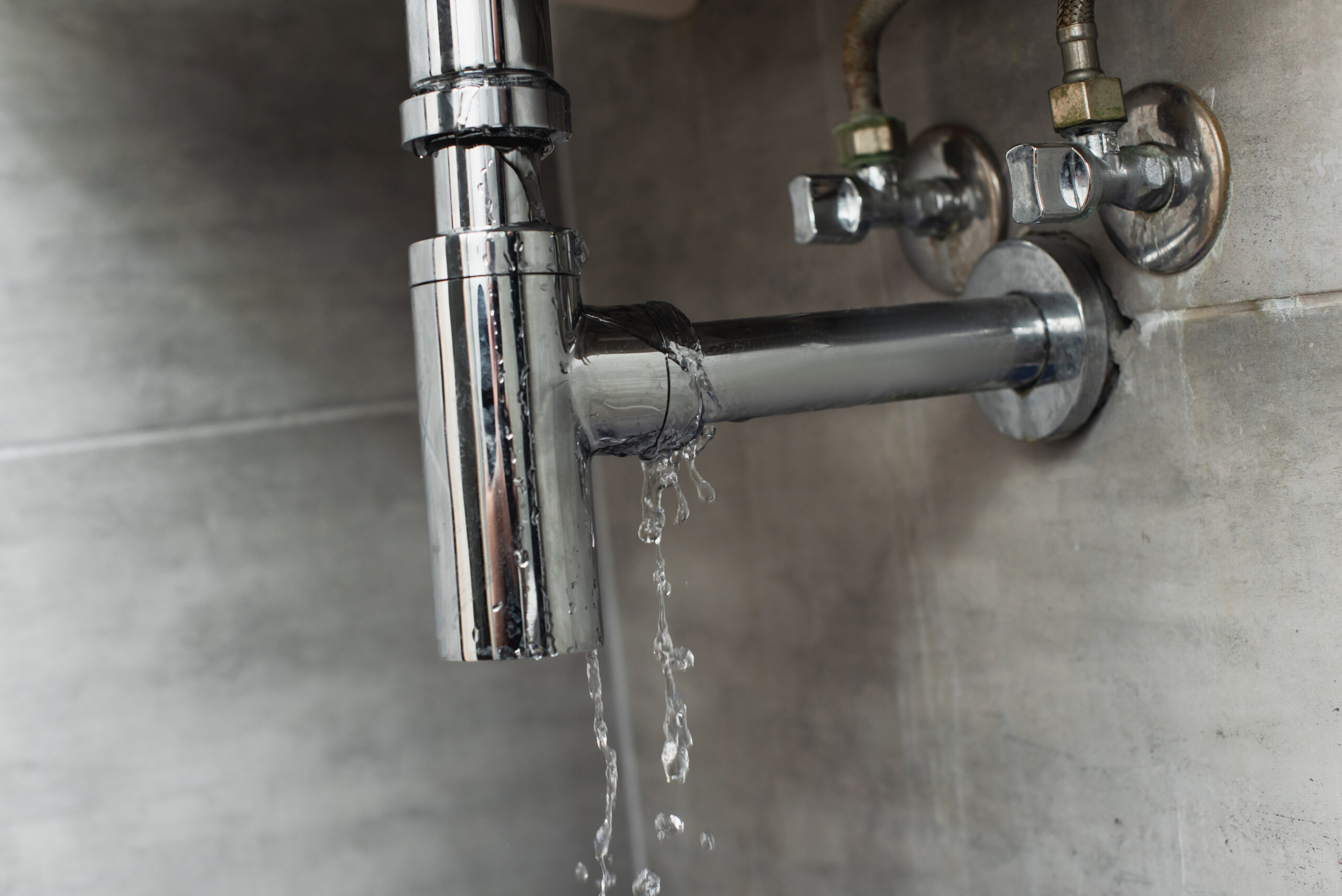
At the same time, run your eye over the fittings and connections for weeping or drips. A small leak at a housing or join is easy to miss until it has damaged a cabinet or wall. If you spot moisture you cannot explain, our water leak detection team can find the source before it becomes a bigger repair.
Step 5: Test Your Water Quality
Even with everything on schedule, it is smart to confirm your water is being cleaned the way it should be. A home test kit will pick up changes every few months, and an annual test gives you proper peace of mind. Between tests, watch the obvious cues: a returning chlorine taste, odd smells, or visible sediment all point to a filter that has had enough.
If you are on rainwater or any private supply, regular testing matters even more. The national benchmark for safe drinking water is the Australian Drinking Water Guidelines, and Queensland Health is clear that activated carbon filters alone will not remove bacteria or viruses, which is why tank-water homes pair filtration with UV or chlorine disinfection and replace the UV lamp every year.
Common Mistakes to Avoid
- Leaving filters in too long: a cartridge past its life can leach trapped contaminants back into your water.
- Cleaning cartridges that cannot be cleaned: carbon blocks, KDF media, and RO membranes are made to be replaced, not scrubbed and reused.
- Forgetting the UV lamp: it can glow long after it has stopped disinfecting, so go by the calendar, not the light.
- No record of service dates: a quick logbook or phone reminder keeps a system from quietly failing.
When to Call a Licensed Plumber
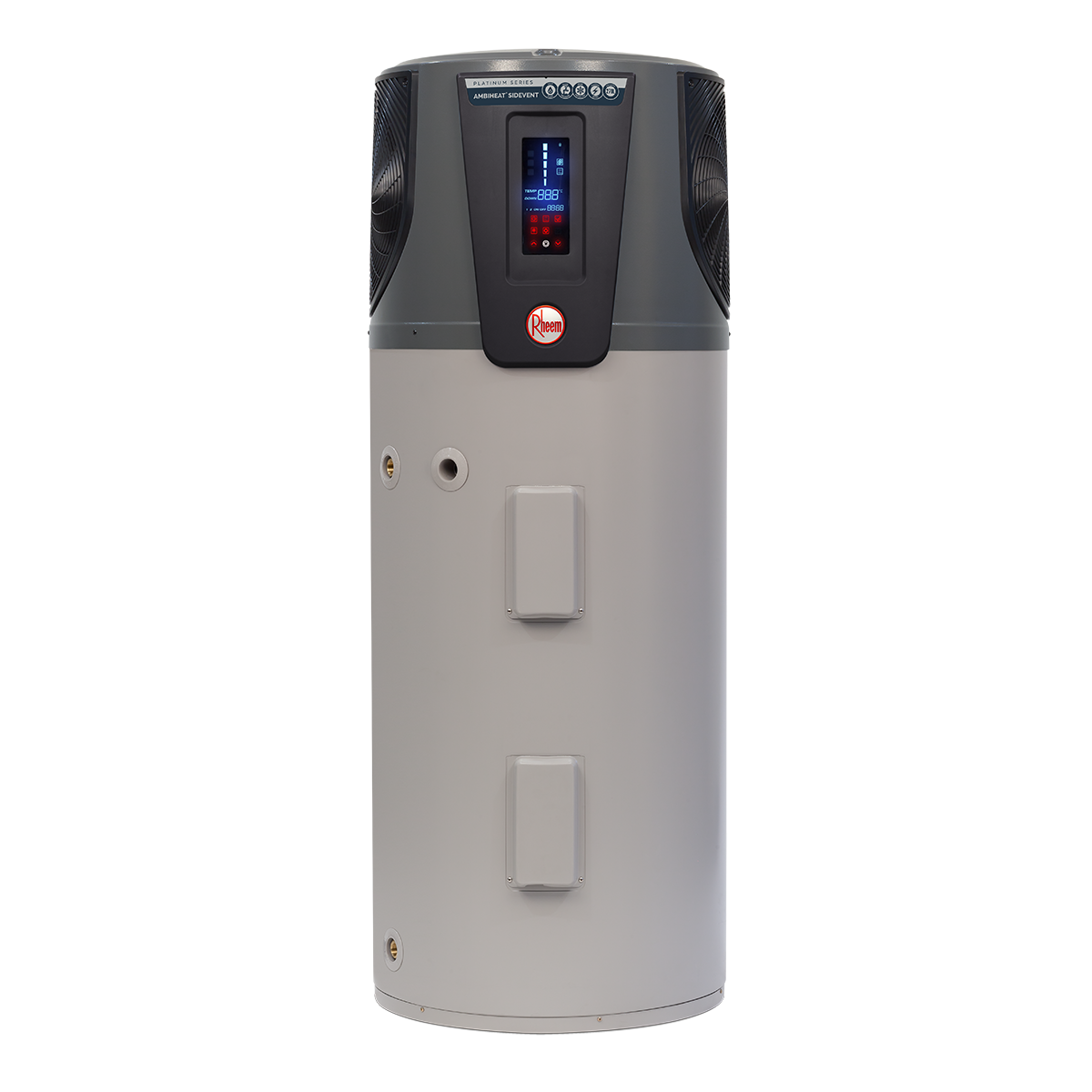
Plenty of routine upkeep is a fair DIY job. But multi-stage and RO systems, anything plumbed to a hot water service, and tank-water setups with UV are better left to a licensed hand, for safety and to keep your warranty intact. Recurring problems such as bad taste straight after a filter change, persistent low pressure, or leaks you cannot pin down are a sign something deeper needs looking at.
We have been sorting out water for Gold Coast and Logan families since 1978, and our team installs and services every type of water filtration system. As a local family business rather than a national franchise, you get the same crew who know your home and your water.
Frequently Asked Questions
How often should I change my water filter?
It depends on the filter and your water. As a rough guide, sediment pre-filters last 3 to 6 months, carbon filters 6 to 12 months, RO membranes 2 to 3 years, and UV lamps about a year. Homes on tank or bore water should change cartridges more often because of the extra sediment.
How do I know when my water filter needs replacing?
The clearest signs are a drop in water pressure or flow, a returning chlorine taste or musty smell, and visible sediment in the water or cartridge. If any of those show up before the scheduled change date, swap the filter early.
Can I clean and reuse a water filter cartridge?
Generally no. Ceramic dome filters can be gently scrubbed to extend their life, but carbon, KDF, and RO cartridges lose their capacity once used up and should be replaced rather than cleaned. Cleaning does not restore their filtering ability.
Does tank water wear out filters faster than town water?
Yes. Tank and bore water carry more sediment and contaminants, so cartridges fill up sooner. If you are on a private supply, check your filters more frequently and replace them at the shorter end of the recommended interval.
Do I need a plumber to service my filtration system?
Simple cartridge swaps on a single under-sink unit are often a DIY job. Whole-house systems, reverse osmosis, and UV setups are best serviced by a licensed plumber to keep them running safely and to protect your warranty.
Final Thoughts
Maintaining a home water filtration system comes down to a handful of habits: change the cartridges on time, flush and clean after every swap, keep an eye on pressure, and test your water now and then. Stick to those and your system will keep delivering clean water for years while protecting your plumbing.
If you would rather hand the upkeep to someone who knows the local water inside out, get in touch with Charlie The Plumber. We will service your system, sort out any issues, and keep clean water flowing from every tap, no dramas.