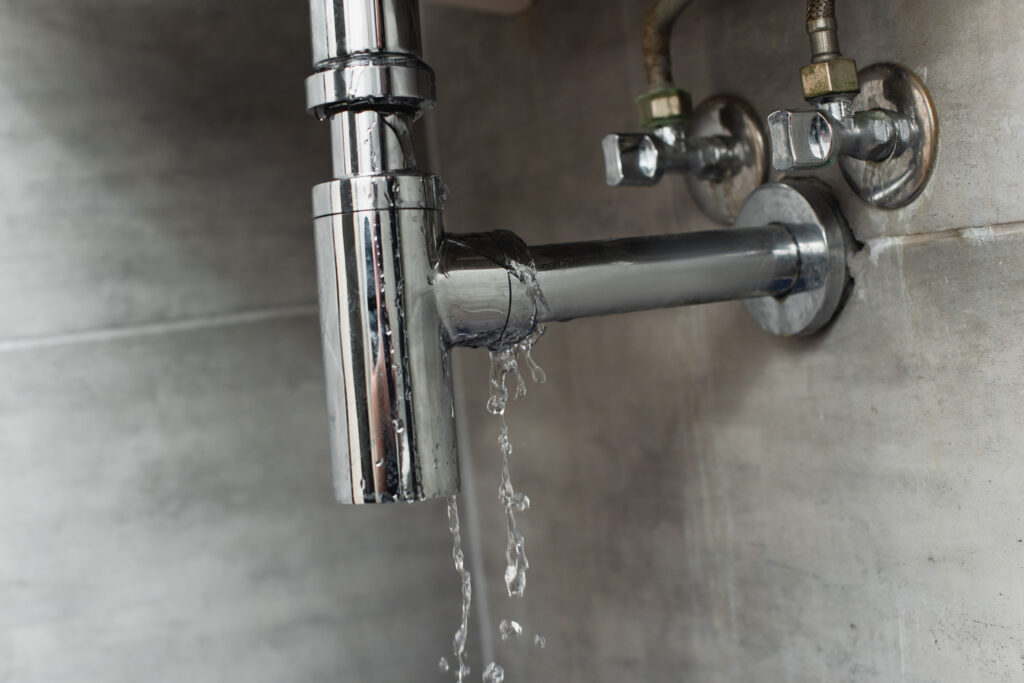
You open your latest water bill, and something’s off. The usage has crept up, but nothing about your household has changed. No extra loads of washing, no visitors, no reason for the jump. More often than not, that quiet increase is the first sign of a leak you can’t see. And the longer it runs, the more it costs you. This is exactly where leak detection savings come in: find the problem early, fix it, and stop paying for water that’s disappearing down the drain before it ever reaches a tap.
We’ve been fixing leaks across the Gold Coast and Logan since 1978, so we’ve seen how much a small drip can add up to over a quarter. In this article we’ll walk through how hidden leaks inflate your bill, where the real savings come from when you catch them early, and how to tell whether you’ve got a leak in the first place.
The Hidden Cost of a Leak You Can’t See
The tricky thing about most leaks is that they don’t announce themselves. There’s no puddle on the floor and no obvious drip. A worn washer, a slow-weeping pipe joint, or a toilet cistern that trickles into the bowl will keep going day and night, quietly clocking up litres on your meter while you get on with life.
The numbers add up faster than most people expect. According to the Australian Government’s YourHome guide, a tap leaking at just one drip per second wastes more than 12,000 litres of water a year. A leaking toilet is worse again. The Queensland Water Directorate notes that a leaking loo can waste over 60,000 litres a year, and when smart meters were rolled out at one regional council, around 5% of homes were found to be leaking, with the average leak losing roughly 30 litres every hour.
Every one of those litres lands on your bill. In many areas your sewerage charge is tied to your water usage too, so a wasted litre can effectively get counted twice. Leave a leak running for a few months and you’re not looking at loose change, you’re looking at real money.
Where the Real Leak Detection Savings Come From
People tend to think of leak detection savings as purely the water you stop wasting. That’s a big part of it, but it’s not the whole story. Catching a leak early actually saves you money in three separate ways:
- Lower water usage: Once the leak is fixed, your meter stops ticking over for water you never used. That shows up on your very next bill.
- Avoiding expensive damage: A slow leak inside a wall, under a slab, or beneath the yard doesn’t just waste water. Left alone it causes rot, mould, and structural damage that costs far more to repair than the leak itself.
- Possible bill relief: Many South East Queensland water providers offer a concealed leak concession or remission for genuinely hidden leaks that you’ve had repaired by a licensed plumber. It’s worth asking your provider, because you may be eligible to claim back part of the cost.
Put those together and early detection almost always works out cheaper than waiting for a leak to get bad enough to notice.
Common Leaks That Quietly Push Your Bill Up
Not all leaks are equal. Some are minor annoyances, others are bill-wreckers. These are the usual suspects we get called out to:
- Dripping taps: The classic slow drip from a worn washer. Easy to ignore, but it runs around the clock.
- Running or leaking toilets: Often the most expensive leak in the house, and the hardest to spot because the water trickles silently down the back of the bowl. If you’ve got leaking taps and toilets, this is usually where the biggest waste is hiding.
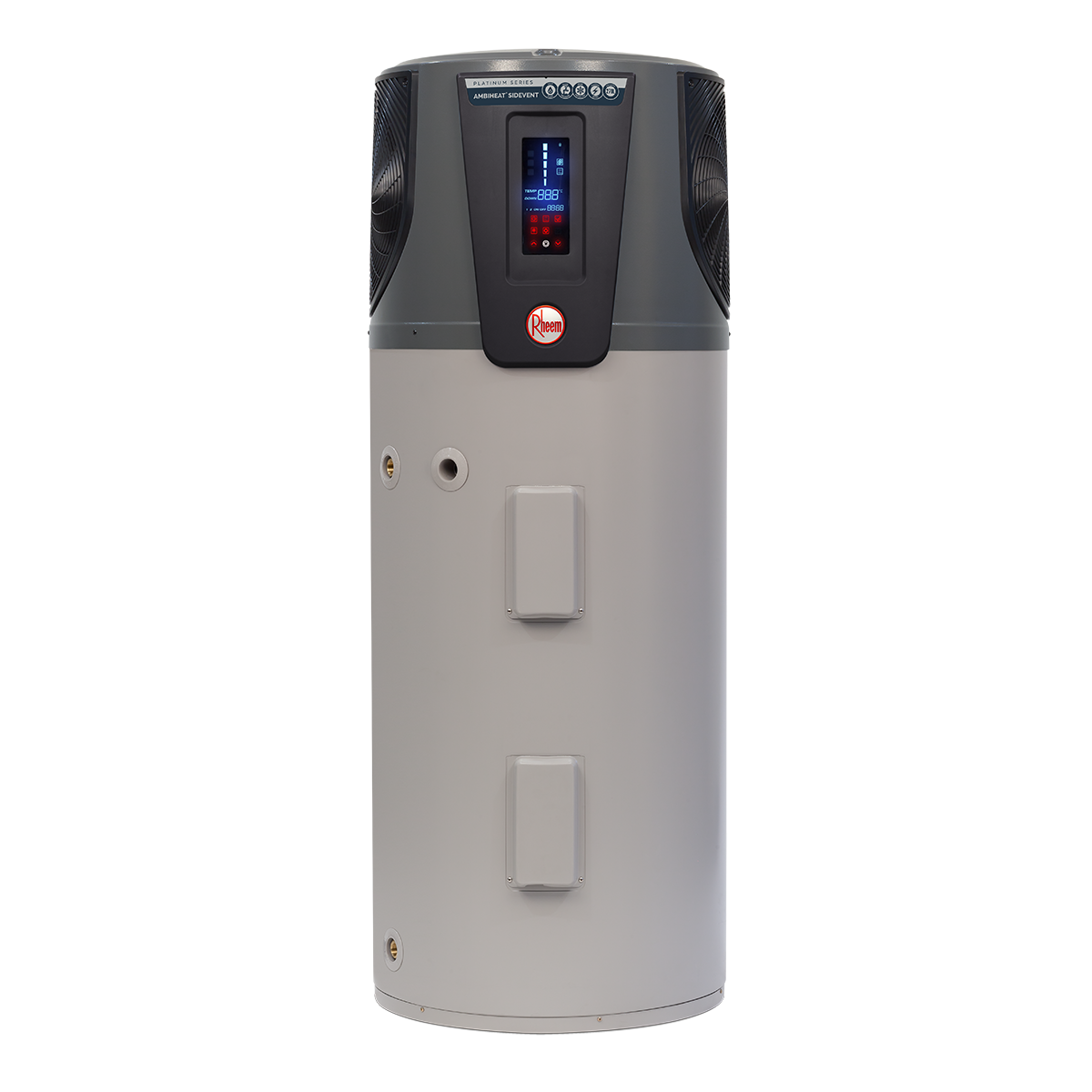
- Hot water system leaks: These sting twice. You’re paying for the wasted water and the energy used to heat it.
- Underground and concealed pipe leaks: Buried supply lines can leak for months without a trace above ground. Wet season and seasonal ground movement often bring these on.
- Pool and irrigation top-ups: An auto top-up valve stuck open, or a cracked irrigation line, can pour water into the ground while you’re none the wiser.
How to Spot a Hidden Leak at Home
Before you call anyone, there’s a simple check you can do yourself using your water meter. It’s the same method the South East Queensland water utility Urban Utilities recommends: turn off every tap and water-using appliance in the house, take a photo of the meter reading, then don’t use any water for an hour (or overnight is even better, and don’t flush the toilet). Read the meter again. If the numbers have moved, water is going somewhere it shouldn’t, and you’ve likely got a leak.
A few other signs worth keeping an eye out for:
- A water bill that’s jumped with no change in your routine
- The sound of running or trickling water when everything’s turned off
- Damp patches, bubbling paint, or mould on walls, ceilings, or floors
- A bright green or soggy patch in an otherwise dry yard
- A drop in water pressure at the taps
Any one of these is a good reason to look a little closer, or to get a professional in before it gets worse.
How Professional Leak Detection Works
Here’s the thing about a concealed leak: knowing you have one and knowing exactly where it is are two very different problems. The old approach was to start digging and hope. These days it’s a lot smarter than that.
Our professional water leak detection uses non-invasive equipment to pinpoint a leak before a single shovel goes in the ground. Acoustic listening gear picks up the sound of water escaping a pressurised pipe. Thermal imaging spots temperature changes where water is pooling out of sight. CCTV cameras run through drains and pipes to find cracks and breaks, and pressure testing confirms whether a line is losing water and roughly where. The result is a precise fix instead of a torn-up yard, which keeps both the repair bill and the disruption down.
When to Call a Licensed Plumber
If your meter check shows movement, your bill has spiked, or you simply can’t track down where the water’s going, that’s the point to bring in a licensed plumber. Chasing a hidden leak yourself usually costs more in wasted water and guesswork than getting it sorted properly the first time.
We’re a family-owned business that’s been looking after homes and businesses across the region for over 45 years, with fully licensed plumbers and gas fitters on the tools. Whether you need leak detection on the Gold Coast or over in Logan, we’ll find the leak, fix it right, and get your bill back to where it should be.
Frequently Asked Questions
How do I know if I have a hidden water leak?
The quickest test is the meter check: turn off all water in the house, note the reading, wait an hour or overnight without using any water, then check again. If the numbers have moved, you probably have a leak. Unexplained bill increases, the sound of running water, damp spots, and soggy patches in the yard are other common giveaways.
How much can a leaking tap or toilet actually add to my bill?
More than most people realise. A tap dripping once a second wastes over 12,000 litres a year, and a leaking toilet can waste more than 60,000 litres a year. On a quarterly bill that can mean tens to hundreds of dollars in water you never used, which is the core of the leak detection savings on offer when you fix it early.
Can I get a rebate if I’ve had a concealed water leak?
Possibly. A number of South East Queensland water providers offer a concealed leak concession or remission when a genuinely hidden leak has been located and repaired by a licensed plumber. Eligibility rules vary, so check with your water provider and keep your plumber’s invoice as proof of the repair.
Is professional leak detection worth the cost?
If you’ve got a leak you can’t find, yes. Non-invasive detection locates the exact spot without digging up your whole property, so you avoid unnecessary excavation and repair costs. Set that against the water you’d keep wasting and the damage a leak can do over time, and it usually pays for itself.
How often should I check my home for leaks?
A quick meter check every few months is a good habit, and it’s smart to check before you head away on holidays so you don’t come home to a nasty surprise. Keeping half an eye on your bill from quarter to quarter is the easiest early warning system of all.
The Bottom Line
A leak you can’t see is still a leak you’re paying for, every single day it runs. The sooner it’s found, the less water you waste, the less damage it does, and the more you keep on your bill. That’s the real value of catching leaks early. If your water bill has crept up or something doesn’t feel right, get in touch with our team and we’ll help you get to the bottom of it.