If your power and water bills keep creeping up, your plumbing is probably part of the reason. Choosing an energy-efficient plumbing system is one of the smartest moves you can make for a Gold Coast or Logan home, because the gear behind your walls quietly burns money every single day. The good news is you don’t need to gut the house to fix it. A handful of considered choices, made in the right order, will cut your running costs for years.
We’ve been doing this since 1978, so we’ve seen plenty of homes paying through the nose for systems that were never set up properly. This guide walks you through how to choose the right setup, step by step, the way we’d explain it at the kitchen table. No sales spin, just what actually moves the needle on your bills.
Why an Energy-Efficient Plumbing System Pays for Itself
Here’s the part most people don’t realise: heating water is the single biggest energy cost hiding in your plumbing. According to the Australian Government’s YourHome guide to hot water systems, around 23% of the energy used in a typical Australian home goes to heating water. That’s nearly a quarter of your energy bill flowing straight down the drain if your system is old or poorly chosen.
An efficient setup attacks that cost from two directions: it uses less energy to heat your water, and it stops you wasting hot water in the first place. Get both right and the savings stack up fast, especially with the way energy prices have been heading.
Step 1: Sort Out Your Hot Water First
Because hot water is where the money goes, your hot water unit is the first decision to make and the one with the biggest payoff. There are four main types worth knowing about.
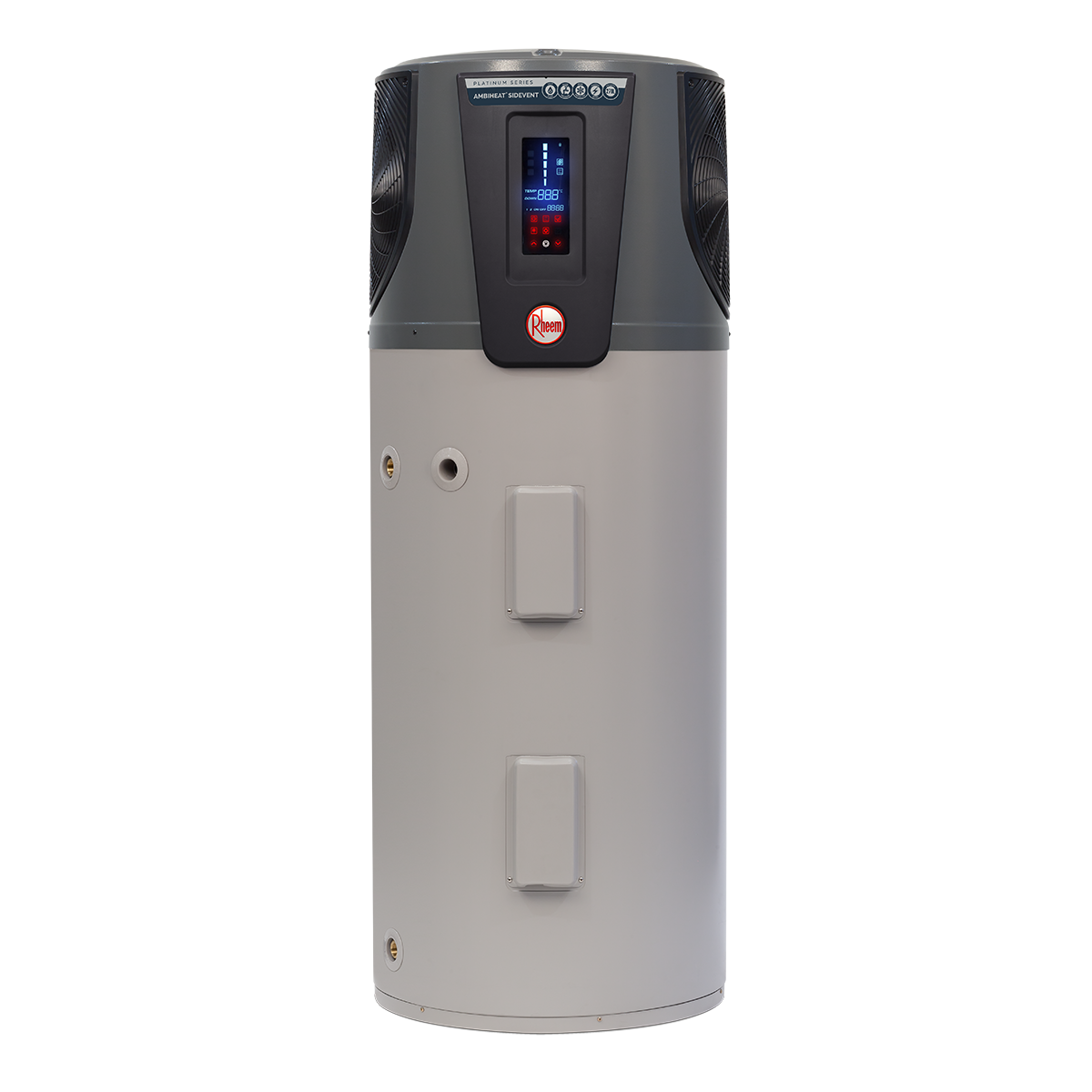
- Heat pump: Works like a reverse-cycle air conditioner, pulling warmth from the air to heat your water. It’s one of the most efficient options going and suits our mild South East Queensland climate beautifully.
- Solar: Uses roof-mounted collectors to heat water from the sun, usually with a gas or electric booster for cloudy stretches. Big upfront cost, very low running cost.
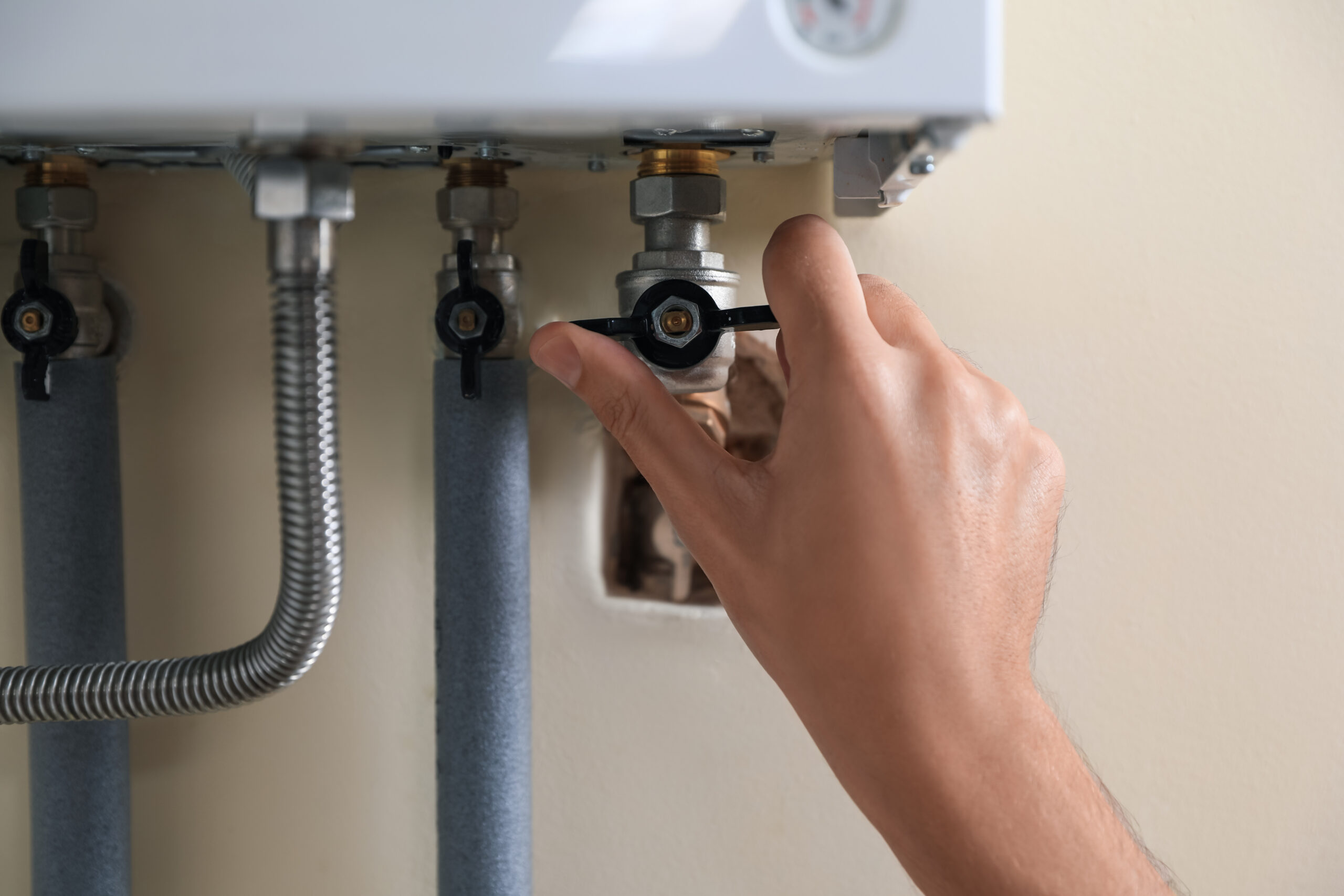
- Gas continuous flow: Heats water on demand with no storage tank, so you’re not paying to keep a tank hot around the clock. A solid pick for larger families who use a lot of water at once.
- Electric storage: The cheapest to buy and the most common, but the most expensive to run unless it’s paired with rooftop solar or an off-peak tariff.
The efficiency gap between these is huge. A heat pump can use up to 75% less electricity than a conventional electric tank, while solar can cut energy use by at least 60%, according to the RACV’s hot water system guide. If you want a deeper breakdown of which unit suits which household, our rundown of the top energy-efficient hot water systems for homes covers it in detail, and our team can spec the right one through our hot water systems service.
Step 2: Compare the Star Ratings Before You Buy
Don’t take a salesperson’s word for it. Australian water heaters carry a Zoned Energy Rating Label that shows estimated energy use across hot, average and cold climate zones, so you can compare like for like. More stars means lower running costs, full stop. Electric models also have to meet the Australian Government’s Minimum Energy Performance Standards, which sets a baseline, but you’ll save far more by reaching well above that minimum.
Yes, the more efficient units usually cost more upfront, but that gap closes faster than people expect once rebates and lower bills are factored in. Small-scale Technology Certificates from the federal government can knock a chunk off solar and heat pump systems, and state and territory schemes stack on top. Ask your plumber what’s currently available before you commit, because these programs change.
Step 3: Choose Water-Efficient Fixtures (They Cut Energy Too)
This is the bit people skip, and it’s a mistake. Every litre of hot water you don’t waste is energy you don’t pay to heat. The fastest win here is your taps, showerheads and toilets.
Look for the WELS star rating. Under the Australian Government’s Water Efficiency Labelling and Standards scheme, water-using products are rated up to six stars, and more stars means less water used per minute or per flush. An old showerhead can chew through 15 to 25 litres a minute, while a WELS 5-star model uses as little as 4.5 litres, which the YourHome guide to reducing water use estimates can save a two-person household at least $160 a year on combined water and energy bills.
One important note: regulated plumbing products need WaterMark certification before a licensed plumber can install them. That certification is your assurance the product is safe and fit for purpose, so it’s not a box to skip. If you’re selling or renting and need the paperwork to match, we also handle water efficiency certificates.
Step 4: Find and Fix the Hidden Leaks
You can buy the most efficient system on the market and still bleed money if your pipes are leaking. A dripping tap or a quietly running toilet can waste tens of thousands of litres a year, and when that’s hot water, you’re paying to heat every drop before it disappears.
The tricky part is that the worst leaks are often the ones you can’t see, hidden under slabs or behind walls. That’s where professional water leak detection earns its keep. Catching a slow leak early protects your bills, your foundations and your hot water budget all at once. Lagging your exposed hot water pipes is another cheap way to stop heat escaping on the way to the tap.
Step 5: Match the System to Your Home, Not the Brochure
There’s no single “best” plumbing system, only the best one for your household. Before you spend a cent, weigh up these factors:
- Household size: A couple has very different hot water demand to a family of five. Oversizing wastes energy keeping water hot you never use; undersizing leaves you with cold showers.
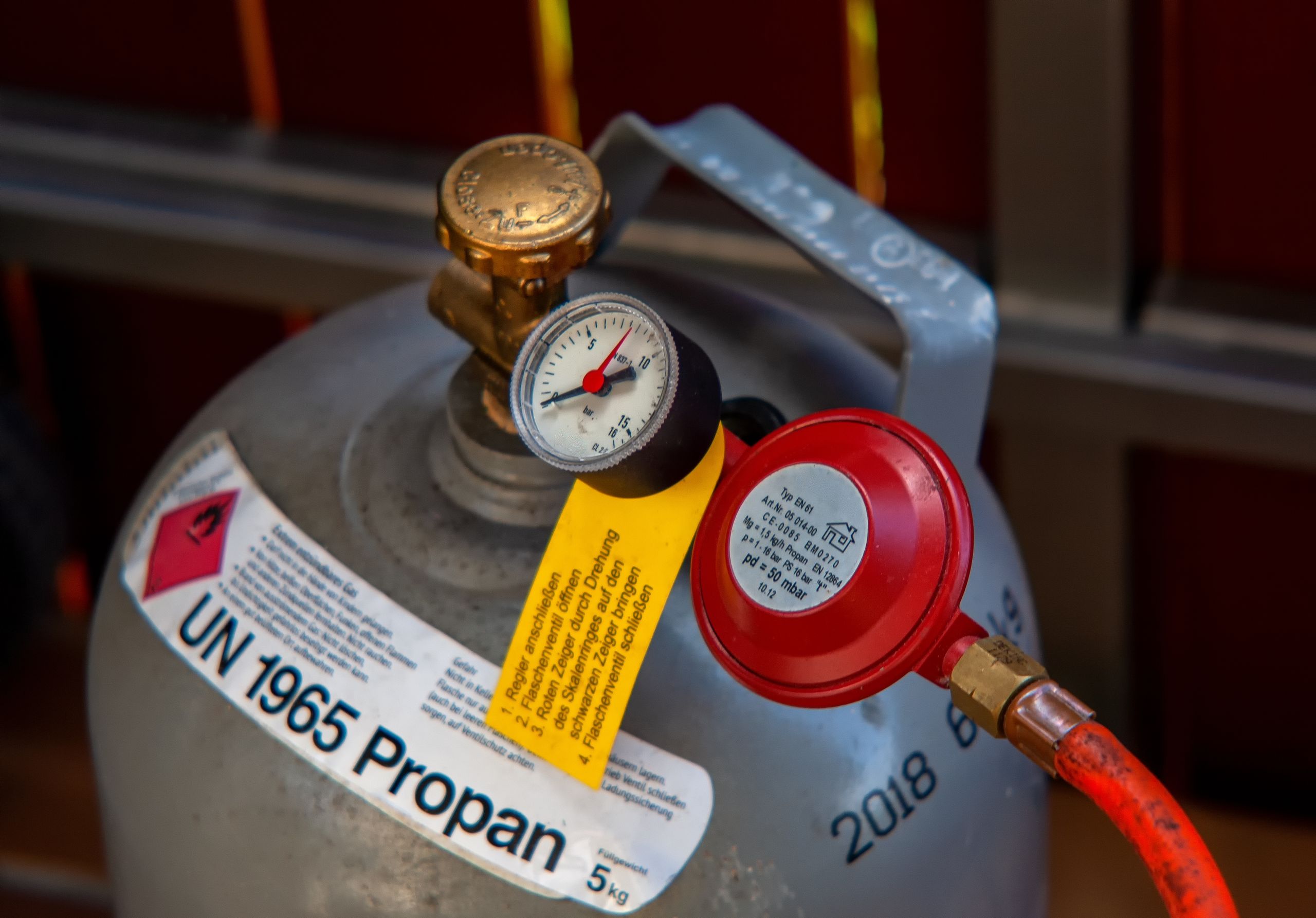
- Available energy source: Do you have natural gas connected, or are you on electricity only? Whether gas suits you is worth a proper conversation with a licensed gas plumber.
- Roof and orientation: A north-facing roof with good sun makes solar far more worthwhile.
- Tariff: An off-peak electricity rate can make storage systems cheaper to run than they first appear.
This is why a quick chat with someone who installs these systems every week beats any showroom poster. The right match depends on your roof, your usage and your power setup, not on which unit is on special this month.
Mistakes to Avoid When Choosing an Energy-Efficient Plumbing System
A few traps catch people out again and again. Avoid these and you’ll be well ahead:
- Buying on upfront price alone: The cheapest unit on the shelf is often the dearest to run. Look at the lifetime cost, not just the sticker.
- Ignoring the fixtures: A premium hot water system feeding 20-year-old showerheads is throwing away its own savings.
- Leaving leaks alone: “It’s only a small drip” adds up to a serious bill over a year.
- Skipping the rebates: Plenty of households pay full price for systems that qualified for hundreds of dollars in incentives.
- Using an unlicensed installer: Cut-price installs can void warranties, breach standards and cost you far more later.
Frequently Asked Questions
What is the most energy-efficient hot water system?
For most South East Queensland homes, a heat pump is the most efficient all-rounder, using up to 75% less electricity than a standard electric tank. Solar is also excellent if you have a sunny, well-oriented roof, though the best choice still depends on your household size, budget and whether you have gas connected.
Do energy-efficient plumbing upgrades really save money?
Yes, and usually faster than people expect. Efficient hot water systems slash the biggest energy cost in your home, while WELS-rated fixtures can save a small household well over $100 a year on water and energy combined.
What does the WELS star rating mean?
WELS stands for Water Efficiency Labelling and Standards, an Australian Government scheme that rates water-using products from zero to six stars. More stars means the product uses less water, which also means less hot water to heat. Six stars is the most efficient.
Can I install water-efficient fixtures myself?
Some basic swaps like a showerhead are within reach for a confident homeowner, but most regulated plumbing products must be installed by a licensed plumber and carry WaterMark certification. Using a licensed plumber also keeps your warranties and insurance intact if something goes wrong.
Are there rebates for energy-efficient hot water systems?
Often, yes. Federal Small-scale Technology Certificates can reduce the cost of solar and heat pump systems, and several state and territory programs offer additional rebates. These change regularly, so it’s worth confirming what’s on offer before you buy.
The Bottom Line
Building an energy-efficient plumbing system isn’t about one expensive purchase. It’s about getting your hot water right, choosing WELS-rated fixtures, sealing up leaks and matching the whole lot to how your household actually lives.
If you’d rather not guess, that’s what we’re here for. As a family-owned business serving the Gold Coast and Logan since 1978, not a franchise reading from a script, we’ll give you a straight answer on what suits your home and budget. Get in touch with the team and we’ll help you build a setup that pays you back for years.