Hot water is one of the biggest energy costs in any Australian home. Heating water sits behind only space heating and cooling for most households, which means the system bolted to the side of your house is quietly doing more damage to your power bill than your fridge, your TV and your dishwasher combined. Choosing one of the better energy-efficient hot water systems on the market can cut that running cost dramatically, and in a lot of cases the federal rebate softens the upfront price as well.
The trouble is that the choices have multiplied over the last few years. Heat pumps, solar, gas instant, electric storage, even smart units that talk to your solar panels: each one suits a different household. Below is a plain-English guide to the systems we install and service most often on the Gold Coast and in Logan, what they actually do, and where they shine.
1. Heat Pump Hot Water Systems
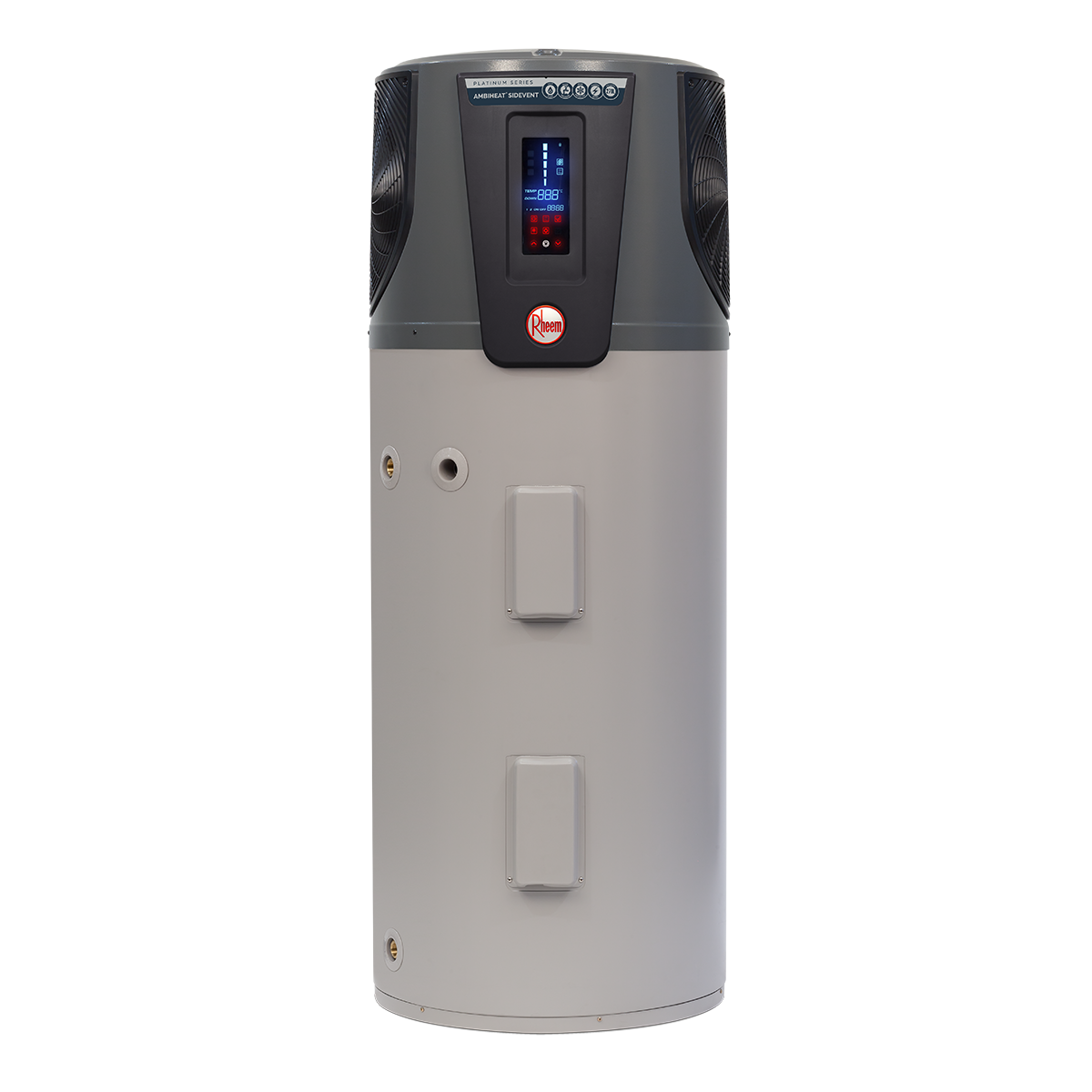
Heat pumps are the standout option in 2026, and it’s not particularly close. Rather than burning gas or running an element flat-out, a heat pump pulls warmth out of the surrounding air and uses it to heat your water. They typically use around two-thirds less electricity than a standard electric storage unit, which translates to real money off the quarterly bill.
They also pull the largest federal rebate of any hot water system on the market through the Small-scale Renewable Energy Scheme, which can knock thousands off the install cost. South-east Queensland’s mild climate suits them especially well, since heat pumps work harder in cold weather and we don’t get a lot of that.
Best for: households of two to six people who want the lowest running cost and the biggest rebate. Particularly good if you’re switching off gas.
2. Solar Hot Water Systems
Solar hot water has been around for decades, and on a sunny coast like ours it still earns its keep. A roof-mounted system uses sun-warmed panels (or evacuated tubes) to do most of the heating, with a small gas or electric booster picking up the slack on cloudy stretches and overnight.
Done right, a solar hot water system can cover 50–90% of a household’s hot water energy. The catch is the upfront cost and the requirement for decent north-facing roof space. If your roof is already crowded with solar PV panels, a heat pump is usually the better play.
Best for: homes with plenty of unshaded roof space and a longer ownership horizon. These systems pay back over 5–10 years and last 15–20.
3. Solar PV-Boosted Electric Storage (Smart Diverters)
This is the newer category that more Gold Coast homeowners are asking us about. If you already have rooftop solar PV panels, a smart diverter or a solar-aware electric hot water system uses your excess solar generation, the energy you’d otherwise sell back to the grid at a low feed-in rate, to heat a tank of water during the day.
It’s effectively free hot water on most days of the year. The hardware is a standard high-efficiency electric storage tank paired with a controller that talks to your inverter. It works beautifully if your solar system is generating more than you use during daylight hours.
Best for: homes that already have a 5kW+ solar PV array and a poor feed-in tariff.
4. Gas Continuous Flow (Instantaneous) Systems
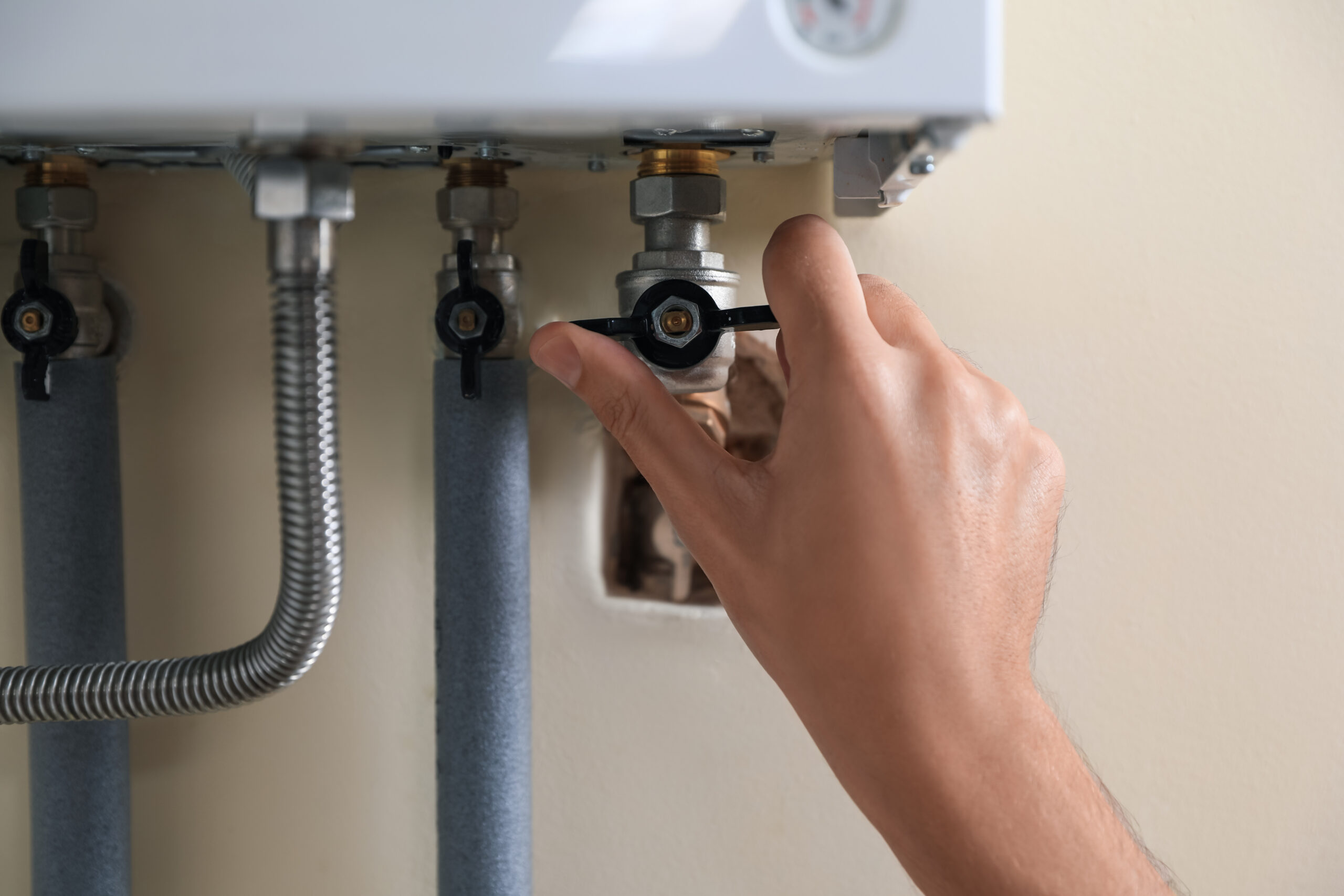
Continuous flow gas, sometimes called instantaneous or tankless, heats water on demand instead of keeping a tank hot 24/7. There’s no standby heat loss, the unit is small enough to bolt to an outside wall, and you don’t run out of hot water mid-shower. Modern units carry 6-star efficiency ratings and are a marked step up from old storage gas heaters.
They’re not as cheap to run as a heat pump, but if you already have natural gas connected and a household with unpredictable demand (think teenagers, shift workers, two bathrooms running at once), continuous flow is a practical, reliable choice. We install and service all the major brands including Rinnai and Bosch, and our team handles all the licensed gas plumbing work involved.
Best for: households with existing natural gas, multiple bathrooms, or variable hot water demand.
5. High-Efficiency Electric Storage on Off-Peak
Plain electric storage isn’t usually the first thing we’d recommend in 2026, but it earns a place on this list when it runs on a controlled-load (off-peak) tariff. Heating the tank overnight at a lower rate, with good insulation around the cylinder, can be surprisingly economical, especially as a stop-gap or as a backup tank for solar.
Look for units with a higher star rating, an upgraded element, and proper thermal jacketing. Pair it with a timer and you’ve got a budget option that doesn’t completely punish your bill.
Best for: tighter budgets, rental properties, and households that can’t fit a heat pump or solar setup.
How to Choose the Right Energy-Efficient Hot Water System
The “best” system depends on four things: the size of your household, your existing fuel source, your roof space, and how long you plan to stay in the house. As a rough guide:
- Switching off gas or building new: heat pump, every time.
- Solar PV already installed: heat pump or a smart diverter setup.
- No solar PV but plenty of north-facing roof: a solar hot water system still stacks up.
- Existing natural gas connection and high demand: gas continuous flow.
- Replacing on a budget: high-efficiency electric storage on off-peak.
Whichever way you go, sizing matters. An undersized system means cold showers; an oversized one means you’re paying to heat water you’ll never use. The cylinder capacity, the recovery rate, the location of the unit, and the existing pipework all factor in. If you’d like a hand working through the options, our team has been installing hot water systems on the Gold Coast since 1978. Give us a call and we’ll walk you through what fits your house. We service every major brand including Rheem, Rinnai, Bosch, Stiebel Eltron, Dux, Aquamax and Vulcan.
Frequently Asked Questions
Which is the most energy-efficient hot water system?
A heat pump hot water system is the most energy-efficient option for most Australian homes. It uses roughly one-third of the electricity of a conventional electric storage unit and qualifies for the largest federal rebate of any hot water system. Solar hot water can match or beat it on running cost in the right conditions, but the upfront investment is higher.
Are heat pump hot water systems worth it in Queensland?
Yes. South-east Queensland’s mild climate is close to ideal for heat pumps, since they work most efficiently when the surrounding air is warm. Combined with the federal STC rebate, payback is typically 3–5 years against a standard electric tank.
How much can I save by switching to an energy-efficient hot water system?
Savings depend on your current setup, but switching from a 20-year-old electric storage unit to a heat pump generally cuts hot water running costs by 60–75%. For a typical four-person household that’s several hundred dollars a year, every year, on the power bill.
Do energy-efficient hot water systems qualify for rebates?
Most do. The federal Small-scale Renewable Energy Scheme provides Small-scale Technology Certificates (STCs) for heat pump and solar hot water systems, which most installers apply as an upfront discount on the quoted price. Some state and council programs add further rebates on top, so your installer should be across what’s available in your area.
How long do energy-efficient hot water systems last?
Heat pump and solar units typically last 10–15 years. Gas continuous flow systems usually run 12–20 years. Tank-based systems last longer with regular servicing. See our guide on how to maintain your hot water system for longevity for the simple checks that extend lifespan.
The Bottom Line
If you’re replacing a tired hot water system in 2026, the right answer for most Gold Coast and Logan homes is a heat pump. The running costs are low, the rebate is substantial, and the climate is on your side. Solar hot water is still excellent if you’ve got the roof for it, gas continuous flow makes sense where the gas line already exists, and an off-peak electric tank still has its place as a budget option.
If you’re not sure which way to jump, the team at Charlie the Plumber installs and services all of the systems above. We’ll come out, look at your existing setup, and give you a free quote on the option that actually suits your house — not just the one with the biggest sticker on it. See our full hot water systems service or get in touch to book a job.