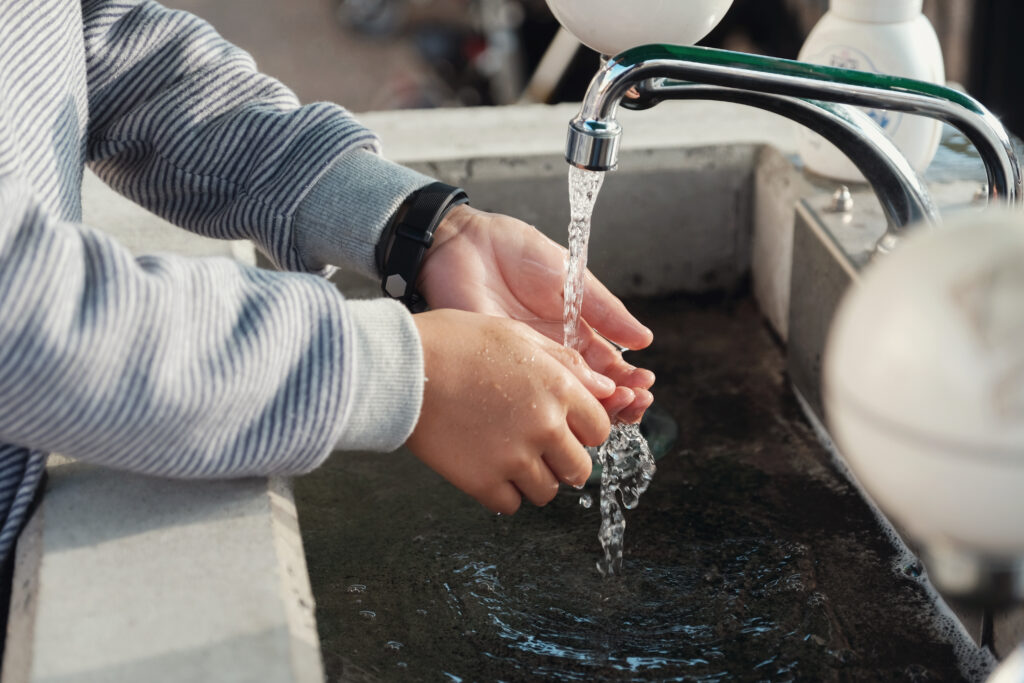
Ever laid awake listening to the rhythmic drip… drip… drip of a bathroom sink? That sound is actually your hard-earned money sliding down the drain. According to environmental experts, a single tap dripping once per second wastes over 11,000 litres a year, quietly adding roughly $50 to your annual expenses. Ignoring silent leaks becomes impossible once the cost-per-drip maths becomes clear.
To effectively reduce water bill plumbing adjustments are your first line of defence. Fortunately, you don’t always need to call us out for an expensive overhaul. Toilets, showerheads, and taps account for around 70% of indoor water use. By choosing affordable replacement parts featuring a WELS (Water Efficiency Labelling and Standards) rating, you can effortlessly execute everyday water conservation tips using just your bare hands. Upgrading your domestic plumbing with these highly effective water-saving strategies takes under fifteen minutes to tackle.
Is Your Plumbing Stealing from You? The 15-Minute ‘Meter Test’ to Find Hidden Leaks
Most water waste hides out of sight, quietly draining your wallet without ever leaving a puddle. As experienced plumbers servicing the Gold Coast and Logan, we know that catching an invisible thief requires locating your water meter, usually sitting right where your main line enters the house. Look for the leak indicator dial—a tiny triangle or star on the face that spins if even a trickle escapes. Testing your static water pressure (the pressure held in your pipes when all taps are closed) is an excellent method for uncovering hidden plumbing leaks.
Just use this ‘Two-Hour No-Water Test’ when checking the water meter for leaks:
- Turn off all taps and water-using appliances indoors and out.
- Write down the exact meter numbers and observe the dial.
- Wait two full hours without using a single drop of water.
- Check again; changing numbers confirm a constant, hidden leak.
Once you have ruled out wall leaks, upgrading your taps and showers takes only minutes.
The ‘Screw-On’ Solution: Upgrading Your Taps and Showers in Minutes
Every time you turn on a sink or shower, water flows at a specific rate measured in litres per minute. Swapping old hardware for certified water-efficient fixtures guarantees a lower flow rate without sacrificing water pressure. The water-saving showerhead benefits alone are staggering: one quick swap saves roughly 11,000 litres of water per person annually, keeping significant money in your pocket.
For sinks, the secret to maintaining strong pressure while using less water is aeration—mixing air into the stream using the small mesh screen at your spout’s tip. Completing a low-flow tap aerator installation takes under five minutes:
- Wrap a cloth around the tap tip to prevent scratching, grip it with pliers, and unscrew it.
- Wipe away hard water buildup to thoroughly clean the threads on the spout.
- Hand-tighten your new, high-efficiency aerator into place until snug.
Upgrading these basic screw-on parts delivers instant savings every time you rinse a dish.
Taming the ‘Running’ Toilet: The $5 Part That Saves $200
Hearing your toilet refill by itself in the middle of the night means you are experiencing a phantom flush. This happens when water silently escapes from the cistern into the bowl, wasting up to 750 litres daily. Before calling our team to investigate, try testing toilet cistern flapper seals with a simple trick: drop food colouring into the upper cistern and wait fifteen minutes without flushing. If colour magically appears in the bowl, you have found your invisible leak.
Locating the exact problem only requires lifting the cistern lid to observe the mechanics inside. Follow these troubleshooting steps for a toilet cistern: flapper vs. fill valve:
- Inspect the rubber flapper seal at the bottom—if it looks warped or brittle, water is slipping past it.
- Check the tall fill valve tube—if water is spilling over the top, the float needs adjusting downward.
- Listen for a continuous hiss—this indicates the fill valve is running constantly rather than a failing flapper.
Fixing a running toilet usually means just unclipping the old rubber flapper from its pegs and sliding a new one into place by hand. In older homes, modernising these components is a proactive way to prevent household plumbing issues and maximise long-term efficiency.
Hidden Efficiency: Protecting Your Hot Water System and Pipes
Waiting for hot water wastes money and sends clean, usable water down the drain. This delay frequently stems from minerals settling inside the tank, creating stubborn sediment insulation. This crust blocks the heating element, forcing the appliance to work harder. Routinely flushing sediment from water heaters removes this barrier and lowers energy bills. If your unit is severely outdated, it might be time to research the best hot water system for your home to ensure maximum savings.
Once heated, water often loses warmth travelling through bare wall tubes. This thermal heat loss means water cools rapidly before reaching your tap. Fortunately, insulating hot water pipes with inexpensive foam sleeves traps heat like a winter coat. This simple upgrade slashes the time you spend running taps while waiting.
Beyond temperature, excessive physical force entering your home creates serious leak risks. If incoming pressure exceeds 500 kPa (Kilopascals), it strains everyday fixtures until seals burst. Locating and adjusting water pressure reducing valve settings—a bell-shaped device near your main shut-off—safeguards your plumbing framework. For ongoing insights, monitoring your household water usage helps pinpoint sudden spikes caused by these pressure-induced leaks.
Simple Habits, Big Savings: Kitchen and Outdoor Water Hacks
Rethinking kitchen chores reveals surprising savings. When evaluating dishwasher vs hand washing water usage, modern appliances easily win. Consider this comparison:
- Hand washing: Wastes up to 100 litres per load.
- Modern Dishwasher: Uses only 11 to 19 litres.
If washing by hand, that soapy liquid is greywater—gently used water safe for outdoor plants. Unlike hazardous sewage or blackwater, grasping greywater recycling systems basics is as simple as tossing dishpan water onto your flowerbeds instead of down the drain.
Heading outside, a dripping garden tap wastes money daily, yet an outdoor tap leak repair takes under 60 seconds. The culprit is usually a loose packing nut—the metal ring sitting directly beneath the handle. Simply grab a spanner and gently tighten this nut clockwise until the dripping stops.
Your Weekend Water Audit: A Step-by-Step Action Plan to Lower Costs
Stop watching your money wash down the drain. By prioritising these high-ROI water-saving strategies this weekend—starting with cheap aerator and flapper replacements—you can potentially cut your next bill by 25%. Make checking your water meter a monthly habit to track success and catch silent leaks before they cause major headaches.
While you now have the skills to execute basic fixes, always recognise your boundaries. If you spot a wet patch on a ceiling or encounter a stubborn leak, stop immediately. Knowing exactly why to hire professional plumbers for complex jobs will save you from catastrophic water damage and expensive repairs. Otherwise, you are perfectly equipped to conquer everyday drips, manage your usage effectively, and keep your hard-earned money right where it belongs.