When it comes to maintaining a home, plumbing often takes a backseat until a problem arises. However, waiting for an issue to surface can lead to costly repairs and significant inconvenience. The good news is that many common household plumbing issues can be prevented with regular maintenance and a bit of know-how. In this guide, we’ll explore how to prevent these issues, offering practical insights and dependable DIY tips that can help you keep your plumbing system in top condition.
Common Household Plumbing Issues and How to Prevent Them
Plumbing problems can range from minor annoyances to major headaches. Understanding the most common issues can help you prevent them:
-
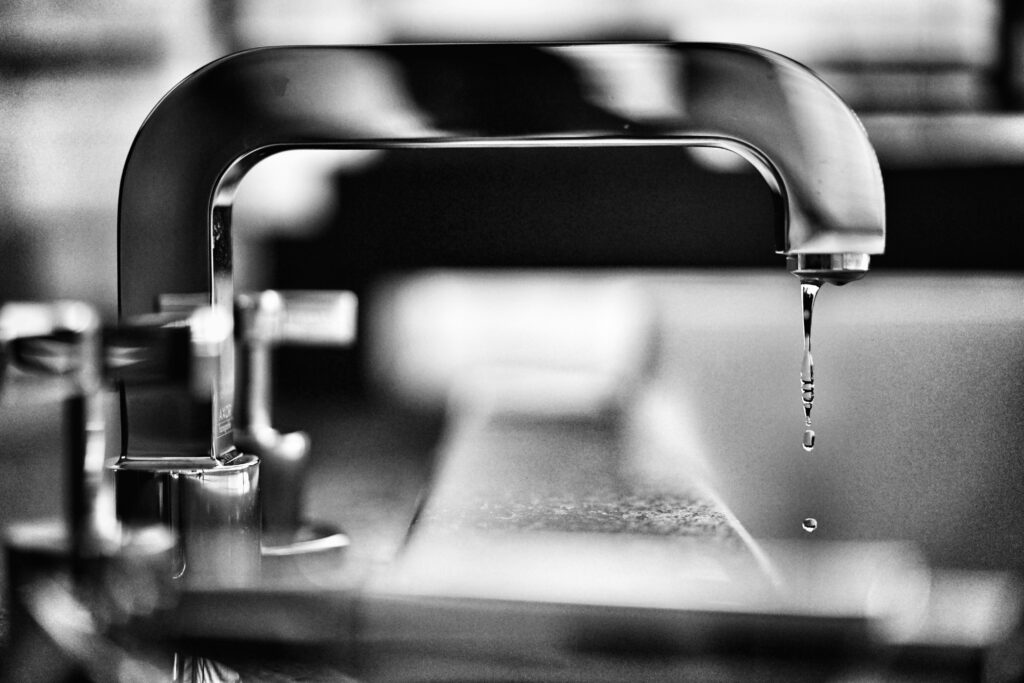
Leaky Taps: Not only is the constant drip annoying, but it also wastes water and increases your utility bill.
-
Blocked Drains: Whether it’s a slow-draining sink or a full blockage, clogs can disrupt your daily routine.
-
Running Toilets: A toilet that won’t stop running can waste a significant amount of water.
-
Low Water Pressure: Often caused by sediment build-up in pipes, this can affect showers and sinks.
-
Water Heater Issues: Problems here can lead to a lack of hot water or leaks.

Proactive Plumbing Maintenance Tips for Homeowners
The key to preventing plumbing problems lies in regular maintenance and being mindful of how you use your plumbing system.
-
Inspect Regularly: Regularly check for leaks, corrosion, and any unusual signs around pipes and fixtures. Early detection can save you from major repairs.
-
Clean Drains: Use natural solutions like bicarbonate of soda and vinegar to keep drains clear and prevent clogs. Learn more about how to clean a smelly drain.
-
Check Water Pressure: Ensure your water pressure is at an optimal level to avoid stress on pipes and fixtures.
-
Inspect Water Heater: Drain and clean your water heater annually to remove sediment, improving efficiency and extending its lifespan.
Essential DIY Plumbing Fixes and Habits
Empower yourself with these simple yet effective DIY tips:
-
Fix Leaky Taps: Replace worn-out washers promptly to stop leaks and conserve water.
-
Avoid Chemical Drain Cleaners: These can damage pipes; instead, use a plunger or a plumbing snake for blockages.
-
Install Strainers: Use strainers in sinks and showers to catch hair and debris, preventing blockages before they start.
-
Insulate Pipes: In colder weather, insulate exposed pipes to prevent freezing and bursting, which can lead to significant water damage.
Zone-Specific Plumbing Care
Different areas of your home have unique plumbing needs. Here’s how to address them:
-
Waste Disposal Care: Avoid putting grease, coffee grounds, or fibrous foods down the disposal to prevent blockages. Scrape plates into the bin first.
-
Dishwasher Maintenance: Clean filters regularly and check hoses for leaks. This ensures efficient operation and prevents water damage.
-
Toilet Care: Avoid flushing anything other than toilet paper to prevent blockages. Keep a waste bin nearby for other items.
-
Shower and Bathtub: Regularly clean the drains and remove hair to keep water flowing freely. Consider a hair catcher for added protection.
-
Washing Machine: Inspect hoses for signs of wear and replace them every few years to prevent leaks and bursts.
-
Water Heater: Keep the area around your water heater clear and inspect it regularly for leaks or corrosion.

When to Call a Professional Plumber
While many plumbing issues can be handled with DIY efforts, some problems require the expertise of a professional plumber. Don’t hesitate to call for help if you encounter:
-
Persistent Clogs: If plungers and snakes don’t work, a plumber can use more advanced tools like hydro-jetting or CCTV pipe inspections to clear stubborn blockages.
-
Sewage Smells: A persistent odour can indicate a serious problem with your sewer line or a vent pipe issue.
-
Water Stains or Damage: Unexplained water stains on walls or ceilings may indicate a hidden leak requiring professional detection and repair.
-
No Water: If water stops flowing suddenly, it’s time to call a plumber to diagnose the underlying cause.
Choosing the Right Plumber for Your Gold Coast Home
-
Check Credentials: Ensure the plumber is licensed and insured, especially for work in the Gold Coast region.
-
Read Reviews: Look for feedback from other homeowners to gauge reliability and quality of service.
-
Get Estimates: Request quotes from multiple plumbers to compare prices and services before committing.
By taking proactive steps to maintain your home’s plumbing system, you can prevent many common issues and save money in the long run. Regular inspections, mindful usage, and timely repairs are your best defences against plumbing problems. Remember, when in doubt, don’t hesitate to call a professional. With these tips in mind, you can ensure that your plumbing system remains efficient and reliable for years to come.
Plumbing maintenance might seem daunting, but with a little effort and attention, you can keep your household running smoothly and avoid the hassle of unexpected repairs. Happy plumbing!
Need Expert Plumbing Help on the Gold Coast?
Even with the best DIY efforts, some plumbing issues require a professional touch. If you’re on the Gold Coast and facing a plumbing challenge, don’t hesitate to reach out to Charlie the Plumber.
Our experienced and licensed team is ready to provide reliable solutions, from stubborn blocked drains to complex hot water system repairs. We offer transparent pricing and quality service you can trust.