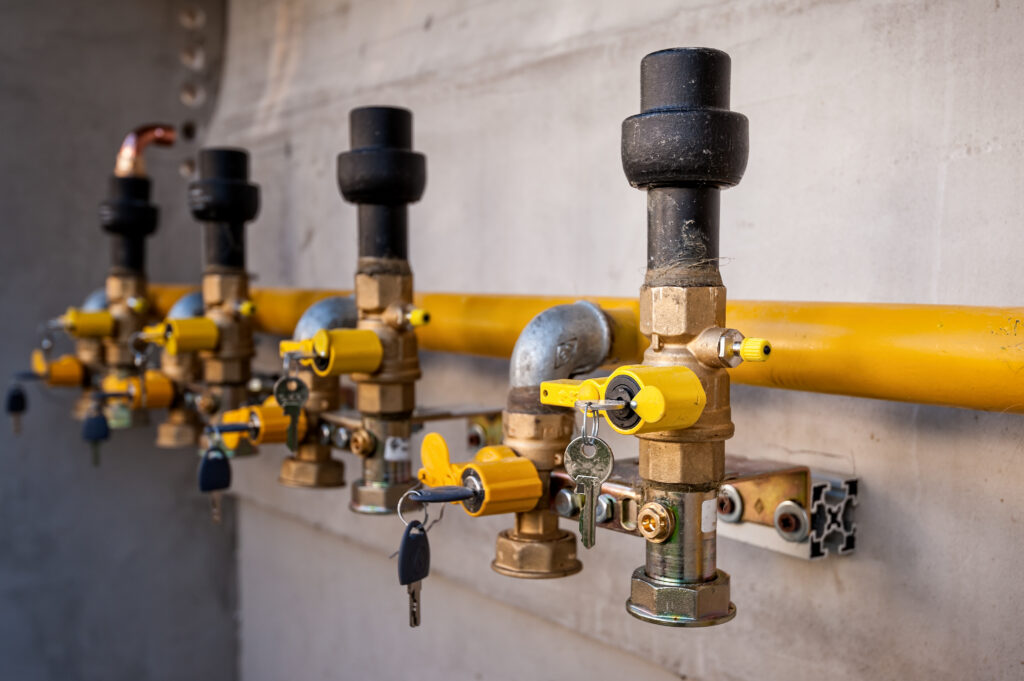
You shouldn’t have to think about your gas lines any more than the oxygen in your living room. A properly functioning system is essentially invisible. Maintaining this peace of mind, however, requires basic safety literacy to understand exactly what happens behind your walls. Over our years of experience throughout the Gold Coast and Logan, industry data and our own fieldwork reveal that most gas emergencies stem from tiny, unseen setup errors rather than freak accidents.
Beyond the obvious physical dangers, DIY gas line installation can be financially devastating due to legal risks. According to standard insurance policies, violating local building codes for gas piping instantly voids your home coverage if disaster strikes. Rather than attempting dangerous amateur work on your domestic plumbing and gas lines, learning what makes safe gas installations compliant empowers you to confidently evaluate the professional contractors you hire to protect your property.
How to Verify a Licensed Gas Fitter: The Secret to Avoiding ‘Cowboy’ Contractors
Knowing your contractor needs specialised gas training is just the start; you must actually confirm their active status. Always perform a licensed gas fitter certification verification through official channels, such as the Queensland Government’s gas work licensing registry, before work begins. This quick check guarantees your safety and protects your wallet, as appliance manufacturers will immediately void warranties if uncertified individuals handle the installation.
Beyond credentials, listen carefully to how they discuss the job. Local building codes for gas piping require proper safety compliance, making bypassed permits a massive red flag. Halt the project immediately if a contractor says things like:
- “I don’t need a permit or compliance certificate for a small job like this.”
- “We can skip the safety paperwork for a cash discount.”
- “I’ll connect it now; you can call the local inspector later.”
Securing a legitimate professional ensures the right materials are used for the job, protecting your home from hidden hazards. If you are ever in doubt, understanding why to hire professional plumbers can save you from catastrophic property damage.
Spotting the Difference Between Safe Piping and a Hazard: Why Materials Matter
Looking behind your boiler or hot water system shouldn’t reveal a random assortment of plumbing supplies. Truly safe gas installations rely on heavily regulated materials, primarily rigid black iron or approved copper for main lines, and flexible tubes like CSST (Corrugated Stainless Steel Tubing) for final appliance connections. Understanding proper gas piping helps you immediately spot whether a setup looks correct or downright dangerous. Try this quick visual pipe audit in your home:
- Material: Rigid lines must be approved gas-rated piping, not standard white PVC or general-purpose water pipes.
- Colour: Flexible CSST must have its protective yellow jacket fully intact to safely route gas.
- Condition: Rust, heavy corrosion, and physical denting are immediate signs of piping failure.
Even if the materials look perfect, invisible leaks can still occur at the metal connections. Professionals verify their work by testing gas joints with specialised leak detection equipment and soapy water solutions—spraying the fittings and watching closely for growing bubbles. While you should never attempt to tighten a leaking pipe yourself, this knowledge helps you confidently monitor your home’s safety. Proper combustion is equally vital for maintaining a secure environment.
The Colour of Danger: Why a Yellow Flame Means Your Appliance is Starving for Air
When you turn on your cooker, the fire’s colour tells a vital story about your air quality. A crisp, blue flame indicates a healthy “oxygen mix,” burning fuel cleanly and efficiently. Conversely, understanding the yellow flame meaning on gas burners is crucial for your safety. If the fire looks yellow, orange, or “lazy,” it is starved for oxygen. Like a person struggling for breath, a choking burner cannot process its fuel correctly. This incomplete combustion immediately creates dangerous byproducts, leaving behind dark soot on your cookware or appliance housing.
Spotting this soot is your cue to call in expert plumbing services. Strict ventilation requirements for indoor gas cookers exist so that exhaust easily escapes while fresh air constantly enters. Without proper airflow, even initially safe gas installations can turn hazardous by producing toxic carbon monoxide instead of standard exhaust. Because this deadly gas is completely invisible and odourless, visual checks aren’t enough, making environmental monitoring absolutely essential.
Where to Place Carbon Monoxide Detectors for Maximum Protection
Since you cannot smell carbon monoxide, alarms act as your ultimate safety net. Smoke rises, but CO mixes evenly with the room air. Therefore, follow carbon monoxide detector placement best practices by installing units at knee-to-eye level, rather than high on ceilings like a traditional smoke alarm.
Top 3 locations to place your detectors: Within 3 metres of bedrooms, on every floor of your home, and near attached garages.
3 places to completely avoid: Inside room corners (which form uncirculated “dead air pockets”), directly above heating appliances, and next to breezy windows.
Upgrading to smart gas leak sensors with automatic shut-off provides incredible peace of mind. If these systems detect the invisible warning signs of a residential gas leak, they instantly trigger a valve to cut your home’s supply. Properly positioned sensors offer immediate alerts, but proactive maintenance prevents these alarms from ever sounding.
Your 5-Minute Annual Gas Safety Checklist: How to Prevent Leaks
Stopping emergencies takes seconds when you know your emergency gas shut-off valve location. Remember this golden rule for valve orientation: a handle parallel (in line) to the pipe means gas is flowing, while perpendicular (across) means it is securely off. Never force a stuck handle yourself. Additionally, beware of “connector fatigue.” Corrugated metal tubes behind cookers grow brittle from movement over time. Respecting your flexible gas connector replacement frequency—typically every ten years, or whenever an appliance is relocated—prevents dangerous, hidden fractures.
Safeguard your household by following this quick annual gas appliance maintenance checklist:
- Valve accessibility: Ensure no boxes or cabinets block your emergency shut-off handles.
- Flexible connector age: Verify connection tubes are under ten years old and entirely free of kinks.
- Vent clearance: Check that exhaust pipes are totally free of debris, nests, or blockages.
- Professional inspection date: Book a licensed contractor yearly to review your gas network.
Ultimately, the cost of a professional gas line inspection is minimal for maintaining insurance coverage. Regular preventative plumbing maintenance ensures long-term safety, keeping your household fully protected year after year.
Your Home Gas Safety Action Plan: 3 Steps to Total Peace of Mind
You now understand that maintaining safe gas installations relies on a simple, dependable cycle: hire certified professionals, audit their visible work, and monitor your appliances regularly. By focusing on observation rather than attempting manual repair, you completely control your home’s well-being. If you rent, always request a current compliance certificate to verify ongoing adherence to strict gas safety standards.
Start applying these gas safety tips today by simply checking your cooker’s flame for a healthy blue colour. Treating your system with this informed respect, and relying on trusted local experts when things look amiss ensures your gas supply remains an invisible, reliable comfort, guaranteeing your family ultimate peace of mind.