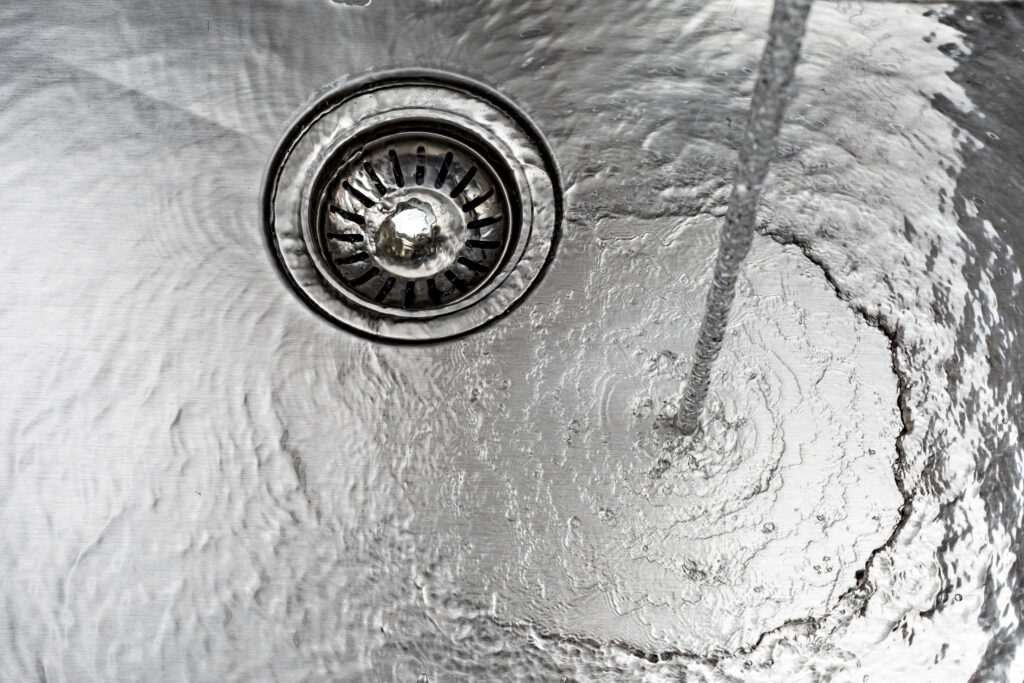
The water in your sink is rising, and the plunger isn’t working. That shower drain that clogs again just weeks after you’ve used a liquid cleaner is a classic sign the real blockage was never fully removed. In practice, chemical cleaners often just poke a small hole through the gunk, leaving most of it behind to cause future trouble.
3 Signs You Need a Professional Drain Cleaner
Before you rush to the hardware store, look for these signs. They indicate a problem deeper than a simple P-trap clog:
- Multiple Fixtures Acting Up: If your kitchen sink, washing machine, and toilet are all draining slowly simultaneously, the culprit isn’t a single clog. This pattern points directly to a blockage deep in your home’s main sewer line—a job that requires professional main sewer line cleaning to resolve properly.
- Recurring Clogs: If a drain backs up repeatedly despite your best efforts, the obstruction is likely stubborn grease, roots, or a structural issue.
- Persistent Odours: A sewer smell coming from your drains is a clear warning of a significant blockage or a dried-out trap that could require immediate attention.
Why a Good Plumber Plays Detective Before Touching a Tool
A professional’s first job isn’t to clear the clog—it’s to understand it. Guessing at the cause of a serious blockage is like trying to fix a car with a blindfold on. To provide an effective, long-lasting solution, a plumber first needs to diagnose the exact problem. This initial investigation separates a quick fix from a real repair.
The Power of CCTV Drain Inspections
For stubborn or recurring clogs, the most powerful diagnostic tool is a plumber’s video camera drain inspection. A technician feeds a small, waterproof camera attached to a flexible cable into your sewer line. This sends a live video feed to a monitor, allowing them to see the inside of your pipes in real-time.
It’s the only way to know for sure what’s causing the issue, whether it’s invasive tree roots, a build-up of grease, or a collapsed section of pipe. If the camera reveals a structural break, we might recommend pipe relining to repair the damage without digging up your yard.
The Professional Drain Snake: How Augers Power Through Tough Blockages
You might be familiar with the small, hand-cranked snakes from a hardware store. A professional’s tool, the motorised auger, is in a different league entirely. Think of it as a long, flexible, and powerful corkscrew designed to travel deep into your home’s plumbing, reaching blockages far beyond the grasp of any DIY tool.
The professional drain snaking process is straightforward but highly effective:
- Insertion: A technician feeds the auger’s steel cable into the drain until it meets the obstruction.
- Rotation: The motor rotates the cable, allowing a specialised cutting head at the tip to break apart, cut through, or retrieve the blockage.
- Clearance: This makes it the ideal tool for handling solid obstructions like dense paper products, foreign objects, and even small tree roots.
The Deep Clean Solution: What is Hydro-Jetting?
While an auger punches through a clog, it leaves behind the sticky build-up on pipe walls. For that, professionals turn to hydro-jetting. Think of it as a pressure washer for your plumbing; a specialised hose shoots high-pressure water to scour the inside of your pipes completely clean, rather than just clearing a path through the middle of the gunk.
Over time, grease build-up in drain pipes, along with soap and minerals, hardens into a thick scale. This residue narrows the pipe’s diameter—much like cholesterol in an artery—leading to recurring slow drains and blockages. By removing this scale, hydro-jetting restores the pipe to its full diameter, making it harder for new clogs to form.
Drain Snaking vs. Hydro-Jetting: Which Method is Right for Your Clog?
Deciding between drain snaking and hydro-jetting comes down to the clog’s makeup:
- Snaking (Auger): Best for specific, solid obstructions. If a child’s toy, a dense wad of paper towels, or a clog caused by tree roots is blocking the flow, the auger breaks it apart physically.
- Hydro-Jetting: Best for soft build-up and maintenance. If your drains are slow due to accumulated grease, sludge, and soap scum, hydro-jetting scours the entire pipe wall clean, addressing the root cause of recurring backups.
Your 5-Minute Weekly Plan to Prevent Future Drain Clogs
After dealing with a stubborn blockage, preventing future drain clogs becomes a top priority. A few simple habits can stop most problems before they start:
- Scrape all food scraps and grease into the bin, not the sink.
- Use inexpensive mesh strainers on all sink and tub drains to catch hair and debris.
- Never pour coffee grounds down the drain; they clump together like cement.
- Once a month, flush drains with boiling water to dissolve early-stage build-up.
While these actions are your first line of defence, think of professional cleaning as a long-term investment. For most homes, having drains professionally cleaned every 18 to 24 months removes the hidden, gradual build-up that daily habits can’t reach.
From Clogged to Confident
Understanding how professionals diagnose and clear blockages transforms you from a frustrated homeowner into an informed one. You now know what to expect from a drain cleaning service and can confidently discuss whether an auger or hydro-jetting is the right solution for your home.
Need Fast, Reliable Plumbing Help?
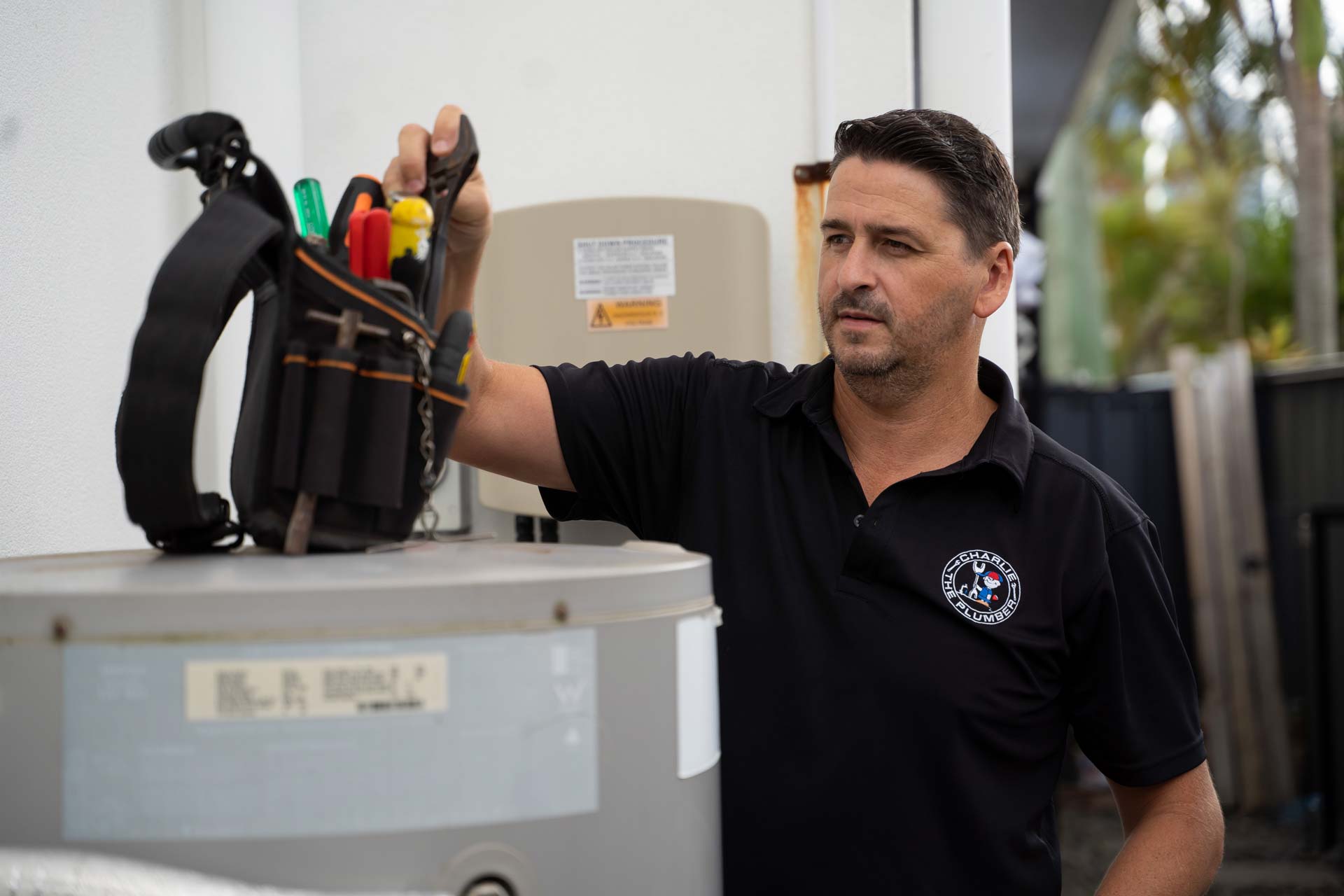
Don’t let a blocked drain ruin your day. The team at Charlie the Plumber is ready to diagnose and clear your plumbing issues with the latest technology.
Book a Job Online Now